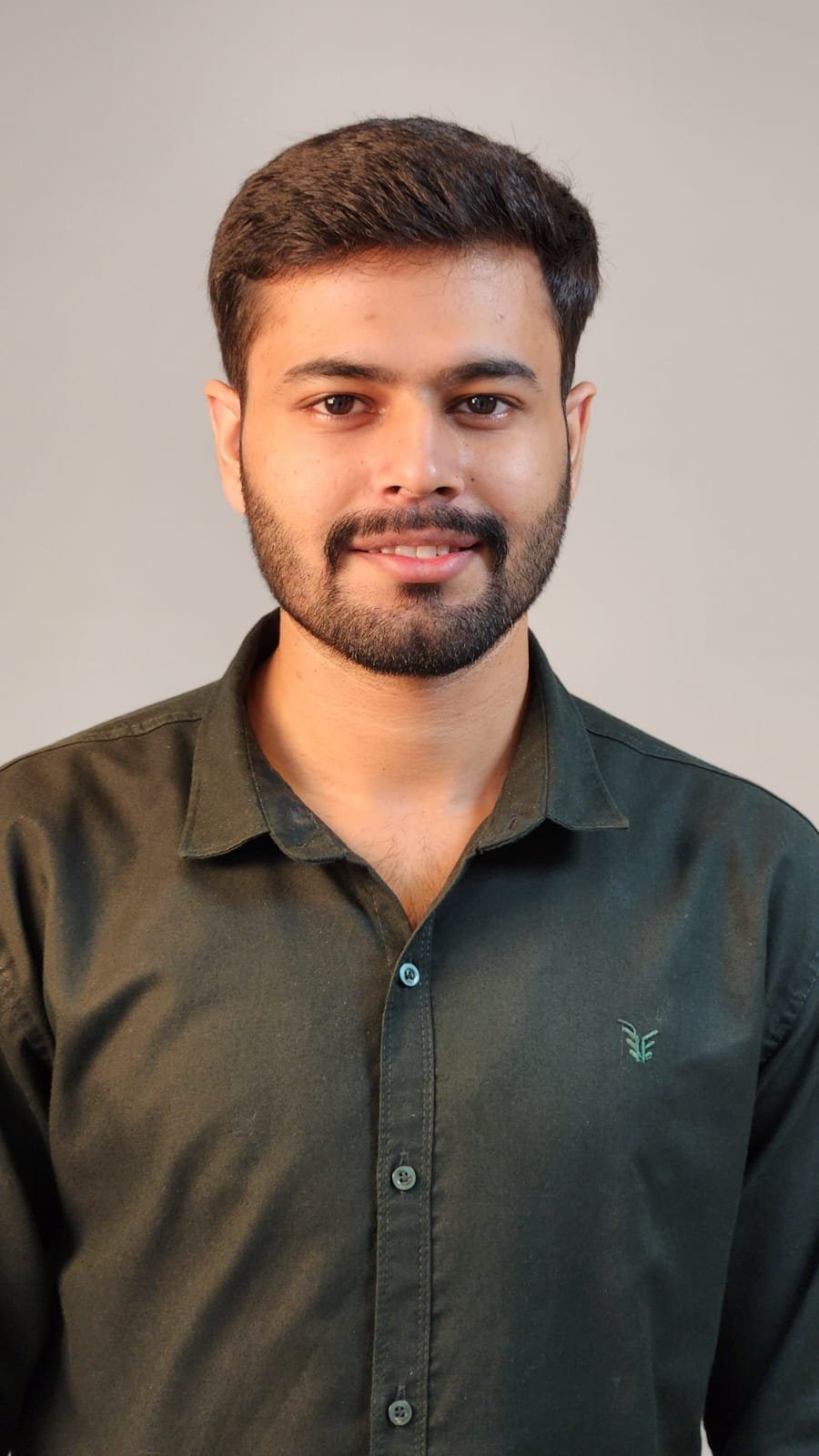
Video editor in 2018. Everything since has been one question leading to the next.
200+ projects delivered
One story, no shortcuts
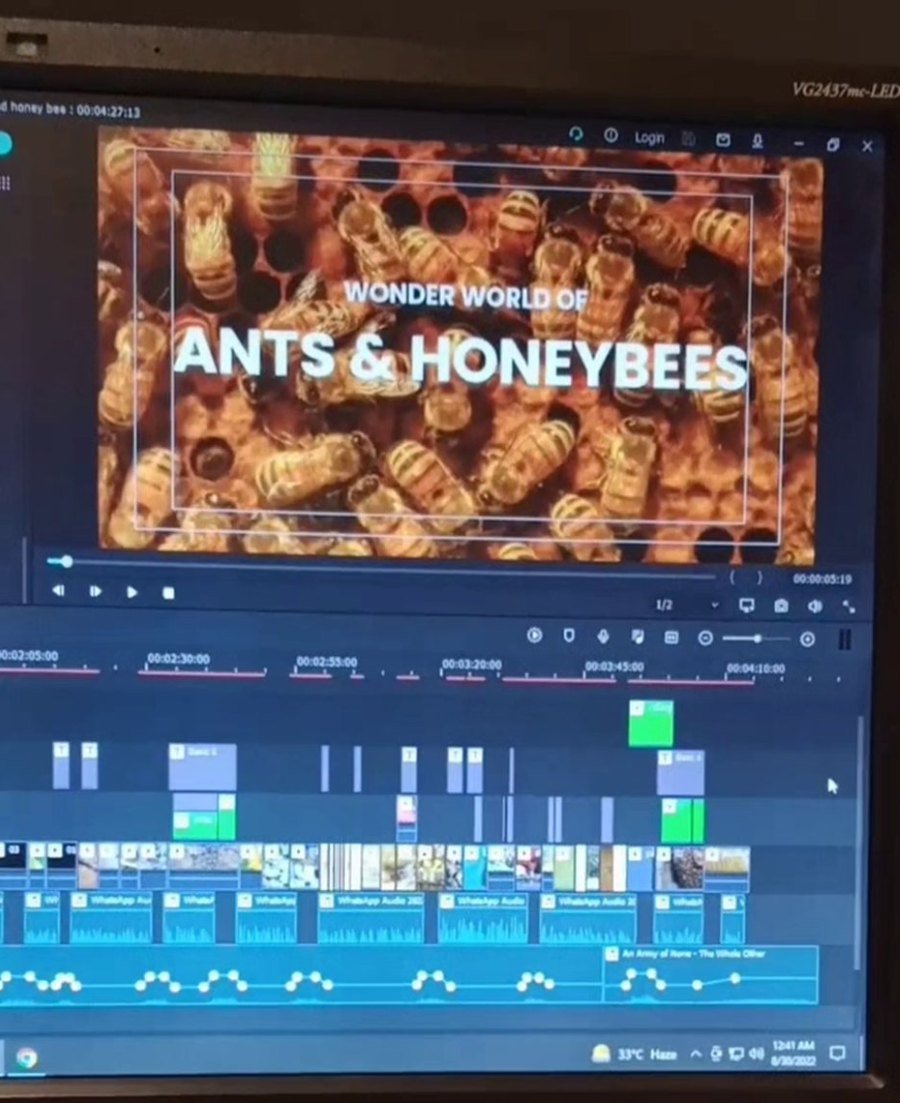
I started as a video editor in 2018. Today I work as an art director, 3D/CGI artist, AI creative and content strategist. This is the honest version of how that happened: the questions, the turning points, and the things I had to learn along the way.
My first professional break didn't come from a portfolio. It came from a negotiation.
In 2018 I wanted to work as a video editor, but the only door open to me was an unpaid internship, and I genuinely couldn't afford to work for free. So I proposed something else: hire me on a 15-day probation. Watch what I actually produce. If you like it, make it permanent.
They didn't need the 15 days. Within three or four, the decision was already made. I was hired full-time, and named Employee of the Month in my first month.
It wasn't credentials that made the difference. It was being willing to be measured on output. That's still how I prefer to work.
Then a film changed the direction entirely. I was watching Spider-Man as a viewer, not an editor, when a different question took over.
I couldn't let it go. I started researching how CGI and visual effects were built, and that research led me to Cinema 4D and into 3D properly.
That's the whole origin story. Not a plan, not a course, not a career strategy. One question I couldn't stop asking.

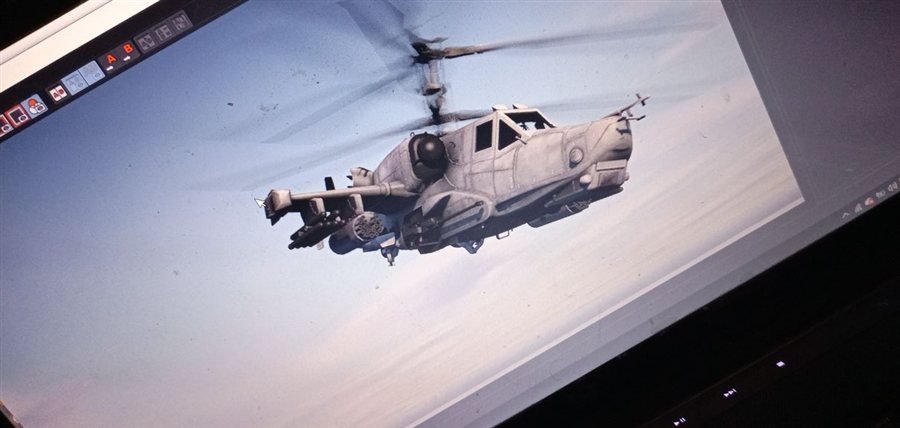

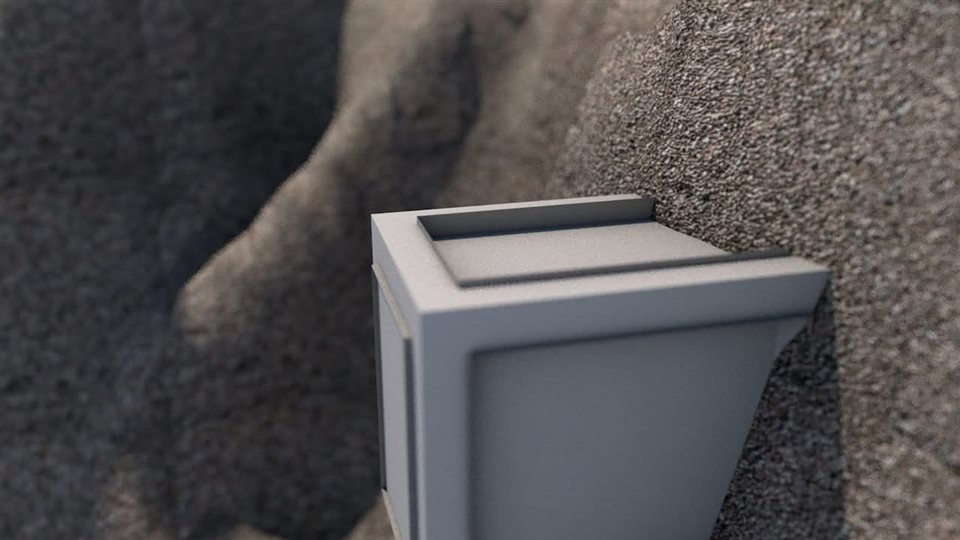
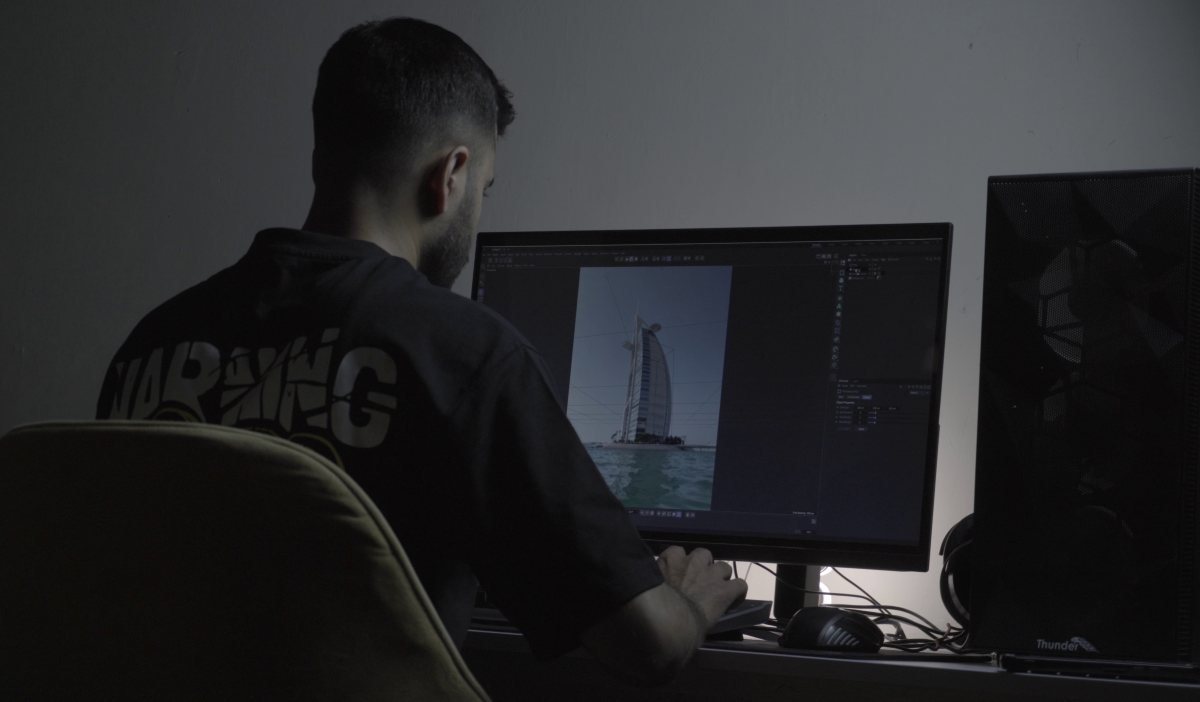
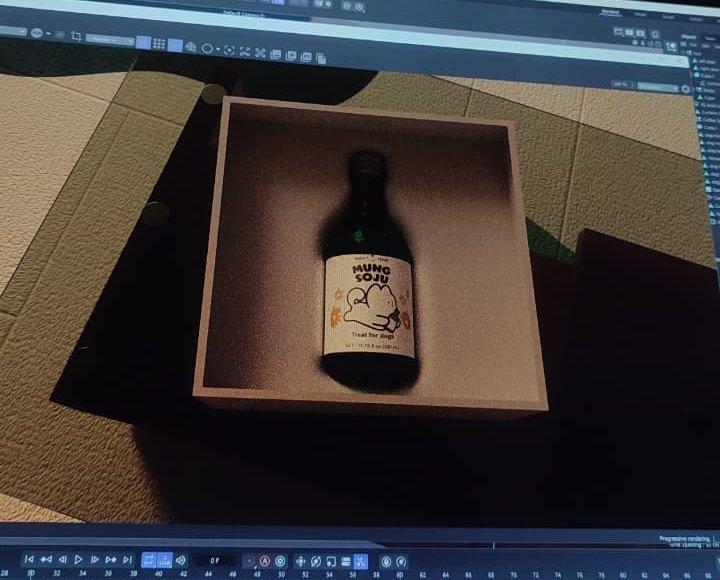
I learned Cinema 4D and started making CGI videos, then specialised in 3D product animation and product visualisation, working primarily in Cinema 4D and Redshift.
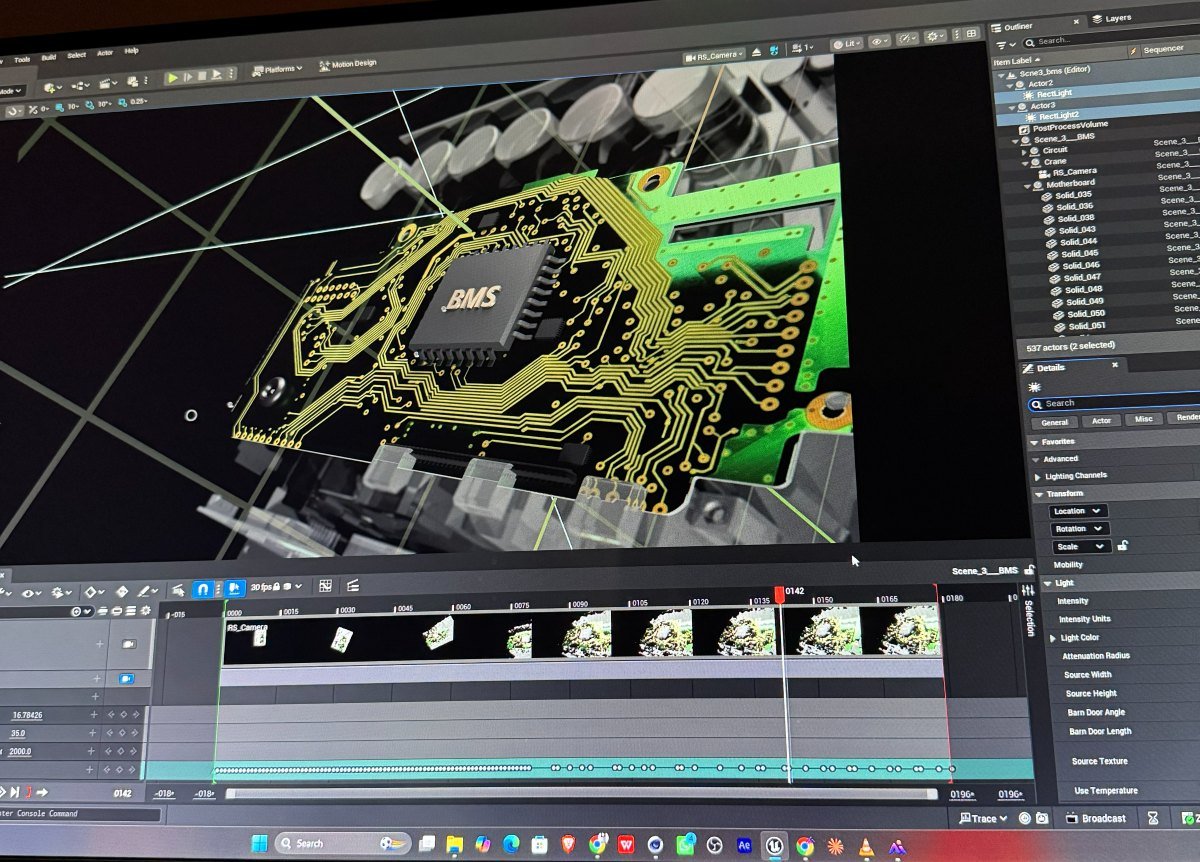
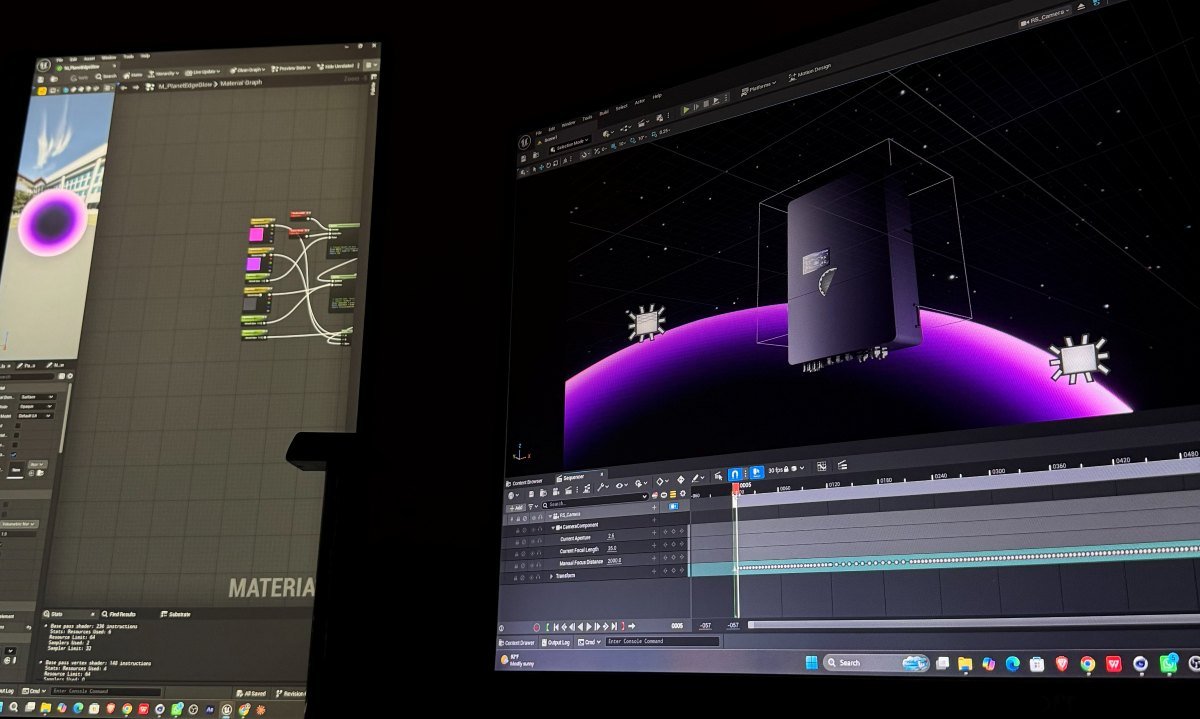
But I kept hitting the edges of what traditional 3D animation could do. I wanted to understand how live-action environments are built. How CGI gets integrated into cinematic production. How real-time graphics work. How games and interactive experiences are made.
So I learned Unreal Engine.
That's the pattern: I hit a limit, then I go learn whatever removes it. That's how I moved from an ordinary 3D animator to a senior one, not through a title, but by accumulating the things I previously couldn't do.
The same applies off the screen. I understand camera operation, shooting, sound recording, music selection, composition, lighting, cinematic framing, storytelling and editing, not just the software that assembles them.
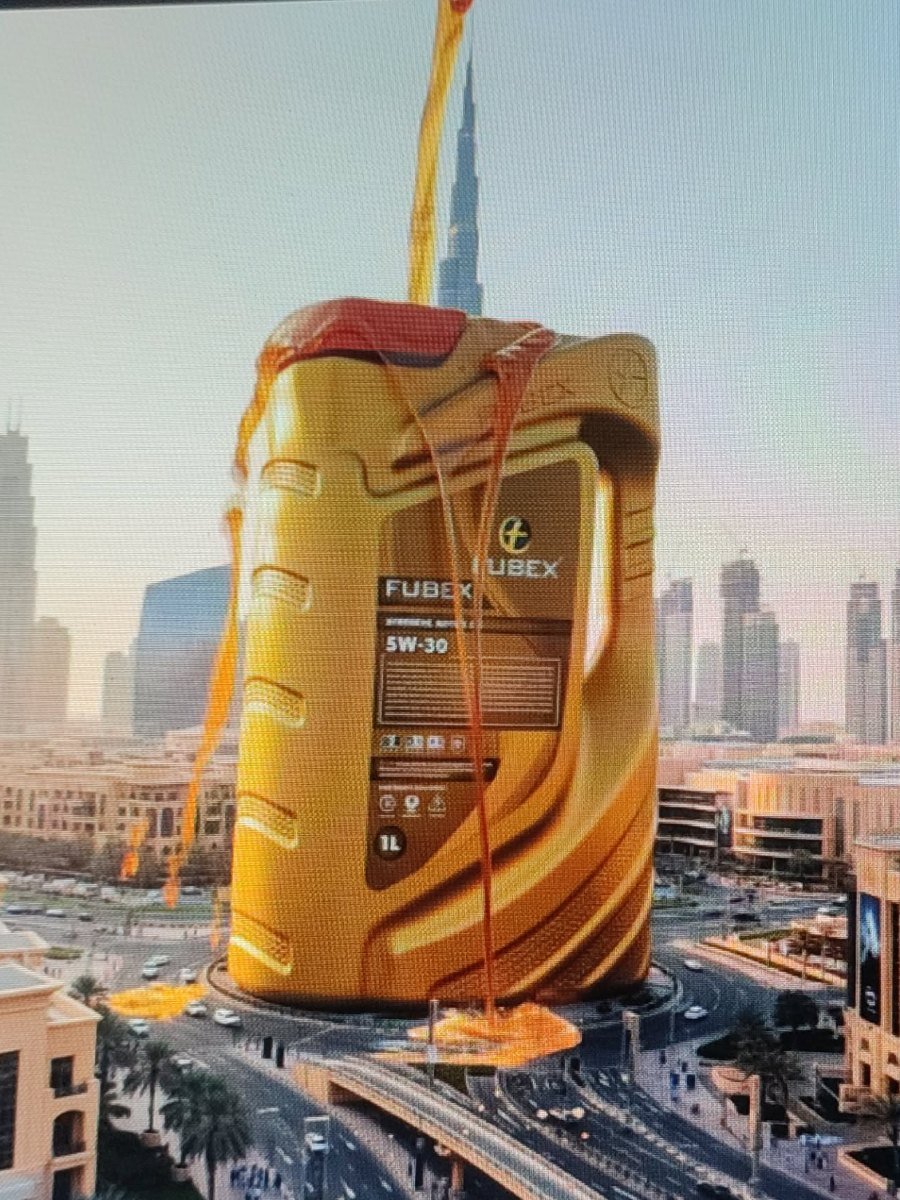
I used to put experimental renders on Instagram without any plan behind it. It was just work I found interesting.
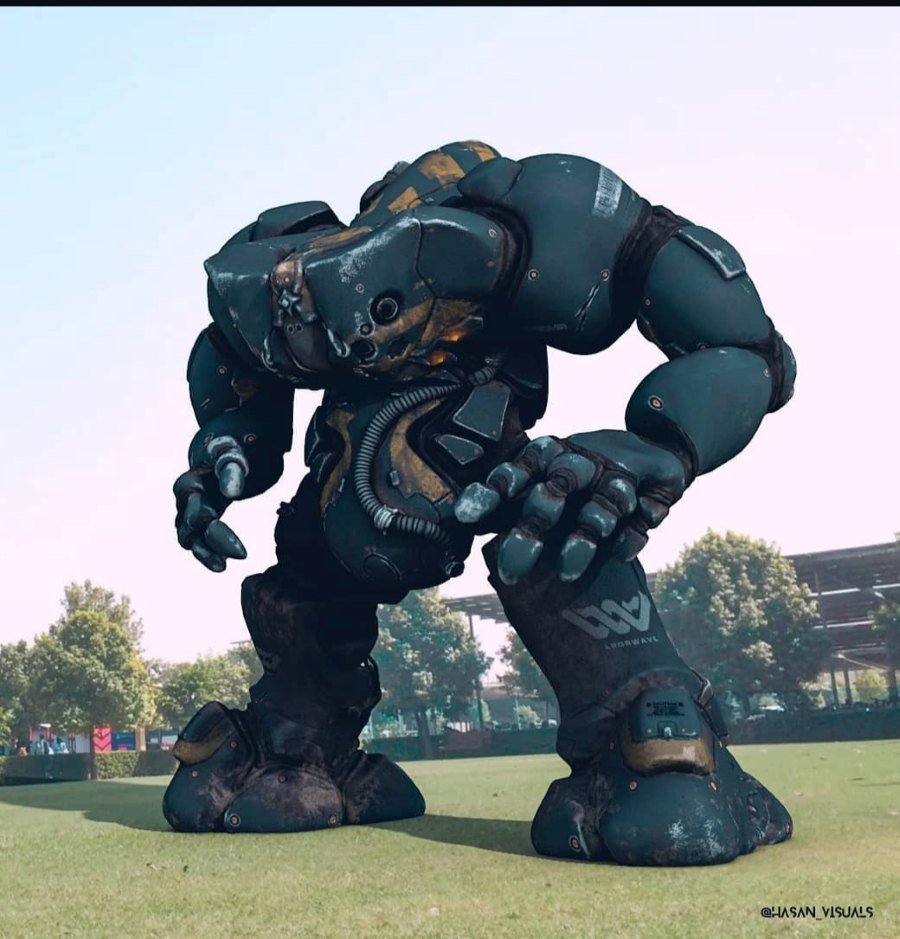
One day a major company in Dubai saw it. They reached out because they wanted to work with me. I made a video for them, they were genuinely impressed with the result, and they paid significantly more than I expected.
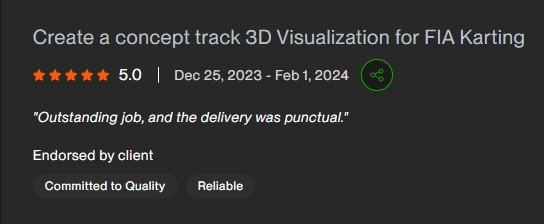
That was the beginning of my freelance career, and the first time I understood that visible work compounds. Since then I've completed 200+ projects with clients, agencies and teams across remote and contract collaborations.

This is the realisation that reshaped my career.
I was producing visually impressive work. But sometimes those visuals didn't perform for the client. The render was strong; the outcome wasn't. That forced me to ask a question a lot of artists avoid: why does some content travel while other content disappears?
So I studied it properly: social media algorithms, audience psychology, content behaviour, platform-specific creative requirements, and the relationship between attention and conversion.
What I learned is that content has to be built differently depending on the audience, the platform, the niche, the objective, the product, the stage of the customer journey, the campaign type, and the psychology of the person watching. I built my own systems around that and started applying them to client work.
The question I asked at the end of a project changed permanently.
That shift is what turned me from a visual creator into an art director and content strategist.
Since then I've studied how creative strategy actually changes across platforms and formats. Meta and Facebook advertising, Instagram, YouTube, Google Ads, personal branding, social campaigns, product advertising, short-form, reels, commercial campaigns. Each one rewards something different.
I understand which kinds of creative tend to perform against which objectives, and how to design visuals around audience psychology rather than aesthetics alone. My work has generated millions of views across client projects, including viral-oriented content, CGI campaigns, FOOH animations and performance-focused advertising.
So my expertise isn't only in making the visual. It's in knowing why it needs to exist at all.
When AI started reshaping creative production, I went in early. I was using ChatGPT during its early access period, from Pakistan.
I didn't treat it as a novelty. I studied how it actually works and how to fold it into a professional pipeline. Prompt engineering became an early focus, because the principle underneath it was obvious: the quality of the output is governed by the quality of the instruction.
I've experimented extensively with AI image and video generation, generative visual workflows, AI-assisted production and AI-enhanced 3D.
That's why it works for me. I already understand animation, editing, storytelling, advertising and audience psychology, so AI becomes leverage on top of a foundation, not a substitute for one.
It gives me something I value more than any single tool: the ability to build almost any visual concept I can imagine.


Leadership came before freelancing.
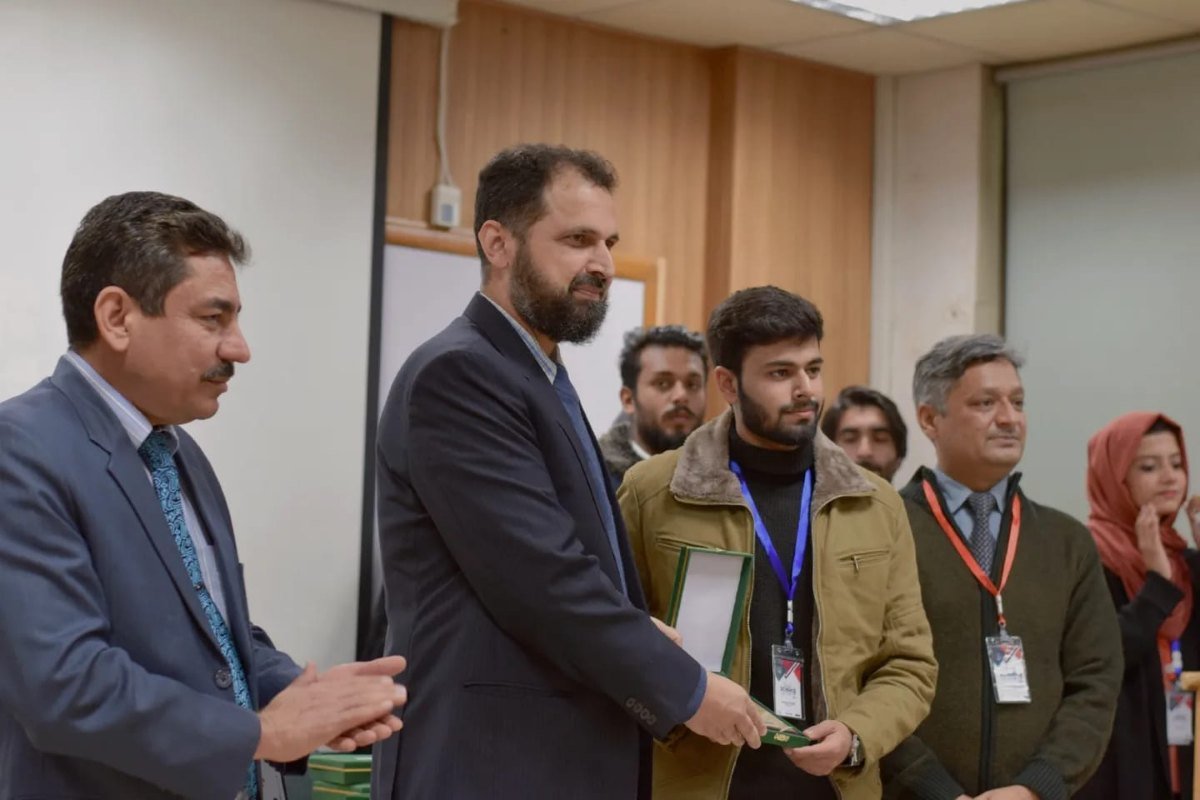
While studying BS Mechanical Engineering at Capital University of Science and Technology, I received a $10,000 ASHRAE scholarship, to my knowledge the first Pakistani recipient of it. I also served as President of a university society responsible for organising events.
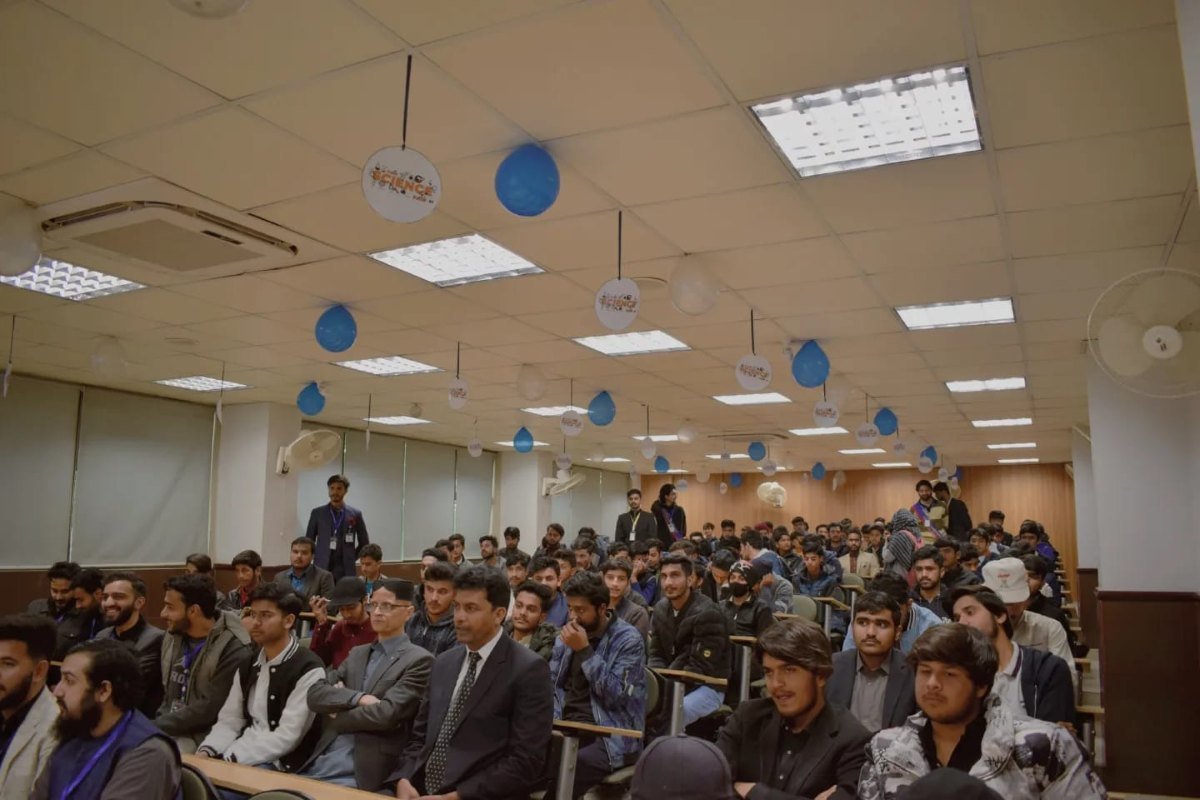
As president I was given the freedom to build my own team. I created and led units across finance, technical, media, security and event decoration, roughly 50 people over six months.
Structured the event budget and made sure resources were managed properly.
Directed how videos were made, how photography was edited, and how the event was promoted.
Developed the themes and executed the visual and decorative side of the event.
Worked with the team to hold discipline, organisation and decorum throughout.
Visited schools and universities in person, presented, promoted, and spoke to unfamiliar audiences.
The event ended up hosting 1,000+ students across competitions and activities, and became one of the biggest ever organised at the university. It wasn't one person's success: it came from planning, delegation, communication, teamwork, systems and execution.
That carried straight into freelancing. Some projects are simply too large to execute alone, so I learned to build and coordinate specialist teams: defining the creative direction, moodboards, storyboards, visual references, deliverables and production workflow, then holding every specialist to one consistent vision.
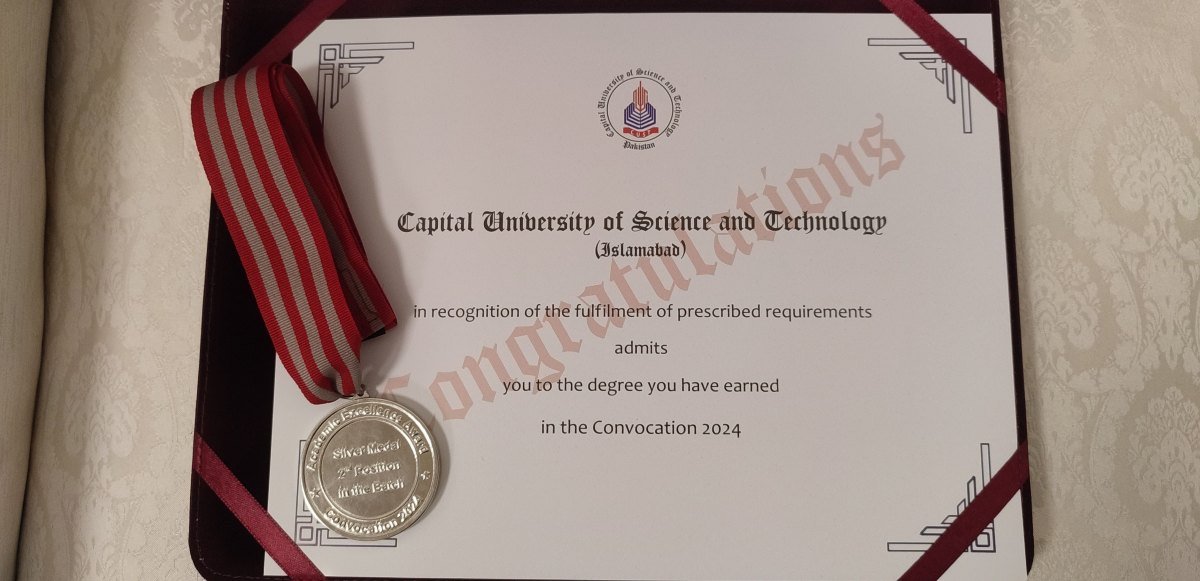
Underneath both is the same lesson I actually took from academics, not the 3.82 CGPA, graduating second in my batch, or the Silver Medal, but the importance of systems.
That philosophy runs through everything now: creative work, freelancing, business, leadership, learning new technology, managing teams and content strategy. It's the main reason I perform at a consistent level rather than in bursts.
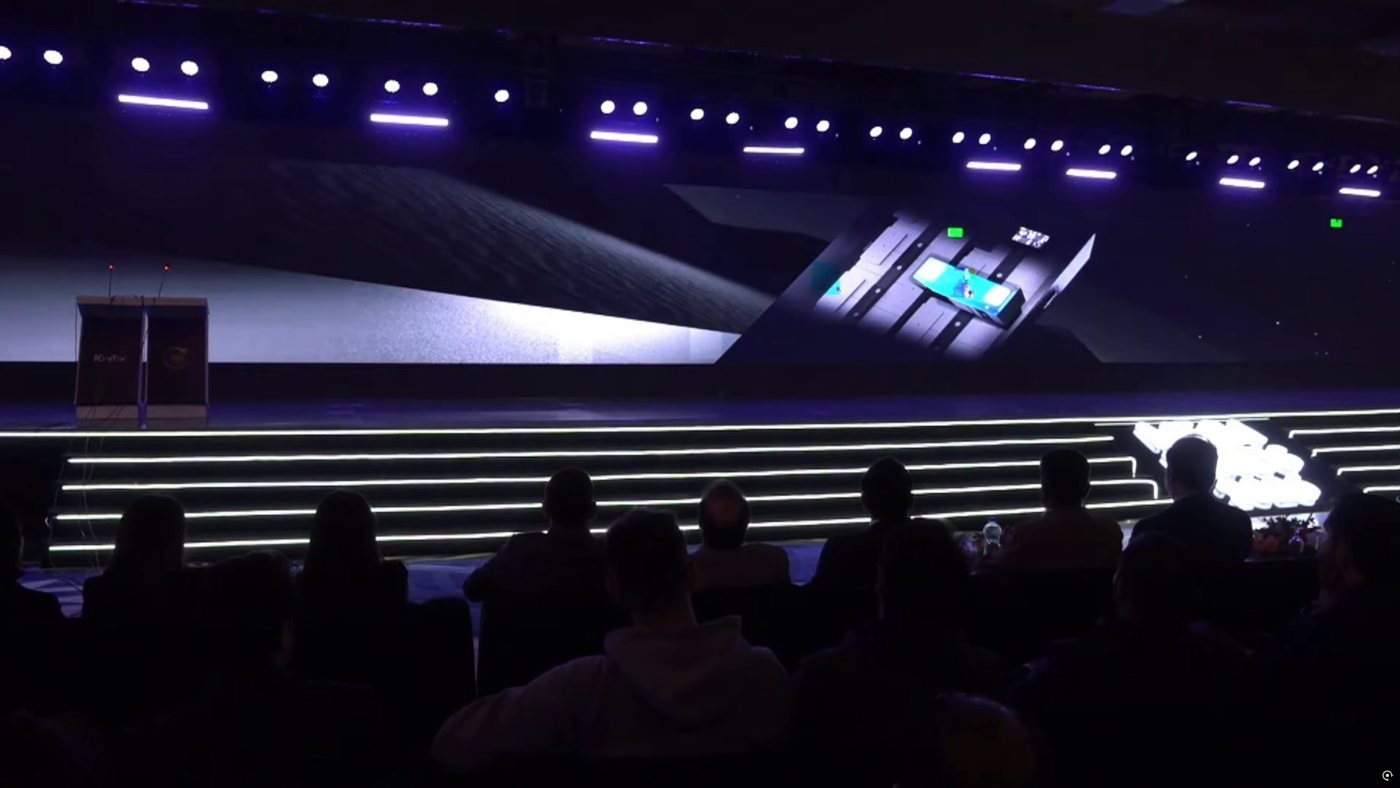
I've worked with Knox Solar for over a year, and it's the clearest example of what I actually do.
When I came in, their content wasn't converting. They were producing competent social visuals, but it wasn't translating into sales. The answer wasn't more output. It was a better system.
They already had specialists: video editors, graphic designers, 2D and 3D animators, social media planners and marketers. My role became helping those teams understand the art behind the creative, and more importantly, how creative connects to algorithms, attention, advertising and sales.
I helped define strategy across product presentation, social advertising, creative direction, exhibition advertising, TV commercial concepts and campaign structure, and I train the team on the rhythm of advertising: how an ad should be built, how a campaign should be approached, and how different formats should be used.
My role goes well past making videos. It's helping a team answer those six questions consistently, and the systems we built together have contributed to the company's growth in Pakistan's solar industry.
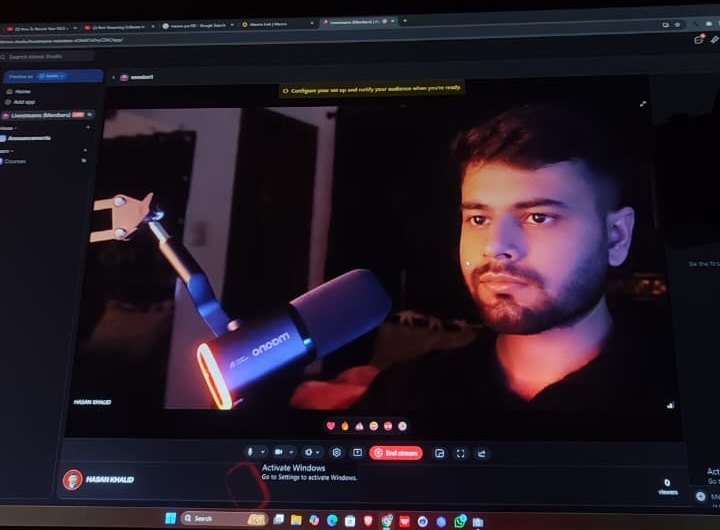
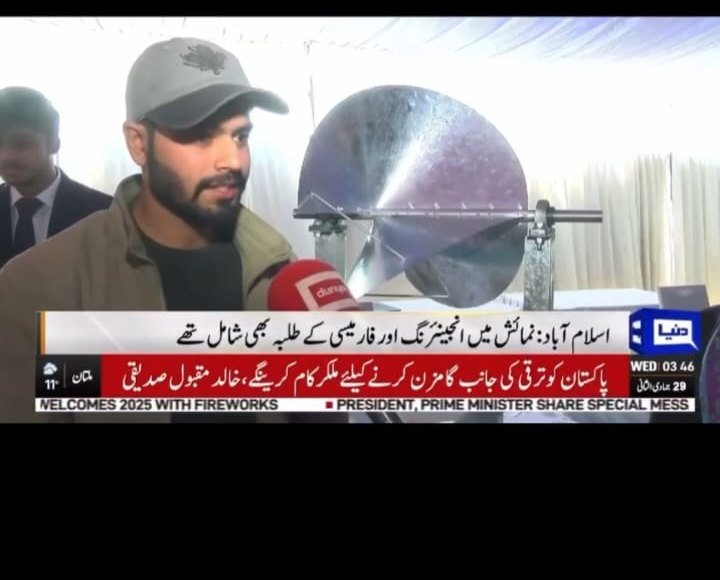
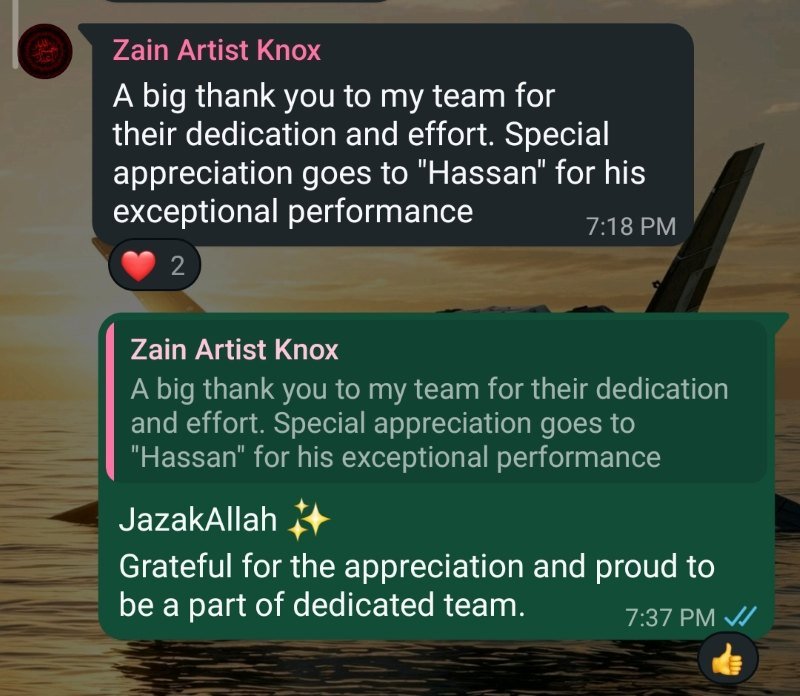
Today I work as an art director, creative strategist, 3D/CGI artist, AI creative and content specialist. The thing that actually holds it together isn't a piece of software. It's the ability to connect disciplines: art, technology, algorithms, marketing, psychology, production, leadership and business.
I don't make content because it looks beautiful. I make it because it has a job.
I started with editing because I loved making things.
I learned 3D because I was curious.
I learned marketing because beautiful wasn't enough.
I learned AI because I wanted to widen what was possible.
I built teams because good ideas need people.
And I built systems because exceptional results are never accidental.
If you're a brand, a founder or a team building something ambitious, and you want content designed to perform, not just to look good, I'd like to hear about it.
Start a conversation →