 Hasan Khalid
If you've searched for 3D animation cost, you've probably noticed nobody wants to give you a straight number. That's not evasion. It's because 3D animation isn't one product. A five-second looping clip for Instagram and a sixty-second photoreal product film are as different as a business card and a billboard. This guide breaks down the real factors that move the price, so you can walk into any quote knowing what you're paying for.
3D animation isn't priced like a product. It's priced like a decision, because every choice about length, realism and effects changes the number at the bottom of the quote.
The 6 factors that drive 3D animation cost
Almost every quote you'll ever receive comes down to some combination of these six variables.
1 Length and number of shots
This is the biggest driver. Animation is priced closer to "per second of finished footage" than "per project." A single hero shot is far cheaper than a multi-scene sequence with transitions, because each new shot needs its own composition, lighting and animation pass.
2 Level of realism
Stylized or simplified 3D renders faster and costs less. Photorealism, where the render is indistinguishable from a real photograph, demands meticulous texturing, lighting and higher render times, which raises the price. Deciding early how real it needs to look is one of the biggest levers on your budget.
3 Model complexity
A clean bottle or box is quick to build. A product with intricate mechanical parts, transparent materials, or many components takes far longer to model accurately. If you can provide CAD files, you often reduce this cost.
4 Simulations and effects
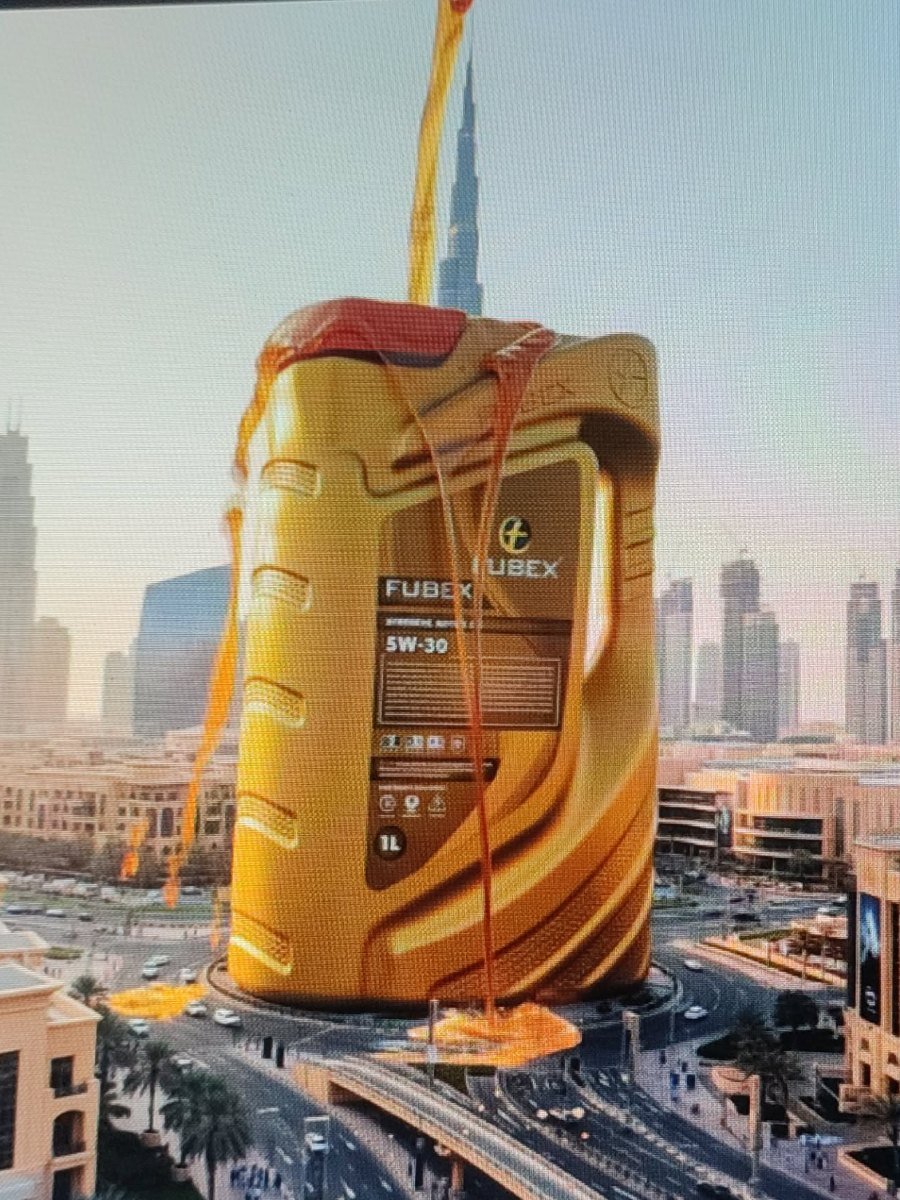
Liquids, smoke, cloth, particles and shattering are computationally expensive and technically demanding. A splash of liquid or a cloud of powder around your product looks stunning, but it's one of the pricier things you can ask for.
5 Turnaround speed
Standard timelines are the most economical. A rush job that compresses a two-week project into three days requires more resources in parallel, which typically carries a premium.
6 Revisions and usage
Most studios include a set number of revision rounds. Extensive changes beyond that, or broad usage rights for large paid-media campaigns, can affect the final figure.
Typical 3D animation cost ranges
While every project is quoted individually, here's a rough sense of how the tiers usually stack up. Treat these as relative, not absolute: real numbers depend on the six factors above.
| Type | Complexity | Relative cost |
|---|---|---|
| Short social clip (3–10s) | Single shot, simple product | Entry level |
| Product feature reveal (10–20s) | Few shots, clean model | Low–mid |
| Full product film (30–60s) | Multi-shot, photoreal | Mid–high |
| Hero campaign film + effects | Simulations, high realism | Premium |
Is 3D animation cheaper than live-action?
Up front, a single live-action shoot can sometimes look cheaper than a photoreal 3D film. But that comparison misses the long game. Once your product exists in 3D, that asset is reusable forever. Need the same product in a new color, a new background, or a different angle next quarter? You adjust the render instead of re-booking a crew, a studio and a shoot day. Over a year of content, that reusability often makes 3D product animation the lower cost-per-video option, and it can do things a camera simply can't, like showing the inside of a product.
How to get the most value from your budget
- Start with a Pilot. One short animation lets you see the studio's quality before committing to a big film.
- Provide clear references and CAD files. The less guesswork, the less time spent, and time is cost.
- Reuse your 3D asset. Plan a series of clips from a single build to spread the modeling cost across many videos.
- Prioritize the hook. Spend where it counts, the first two seconds that stop the scroll, rather than over-polishing frames nobody reaches.
Want an exact quote for your product?
The only way to get a precise number is to look at your specific product, length and goals. See how we work on our 3D animation service page, or book a free call and we'll give you a transparent quote, including whether a low-risk Pilot makes sense first.
The bottom line
There's no single price tag for 3D animation because there's no single kind of 3D animation. But once you understand the six factors (length, realism, complexity, effects, speed and usage) you can shape a project that fits your budget and still stops the scroll. And if you're weighing your options, remember 3D rarely works alone: brands often combine it with CGI/FOOH for reach and UGC ads for conversion.