 Hasan Khalid
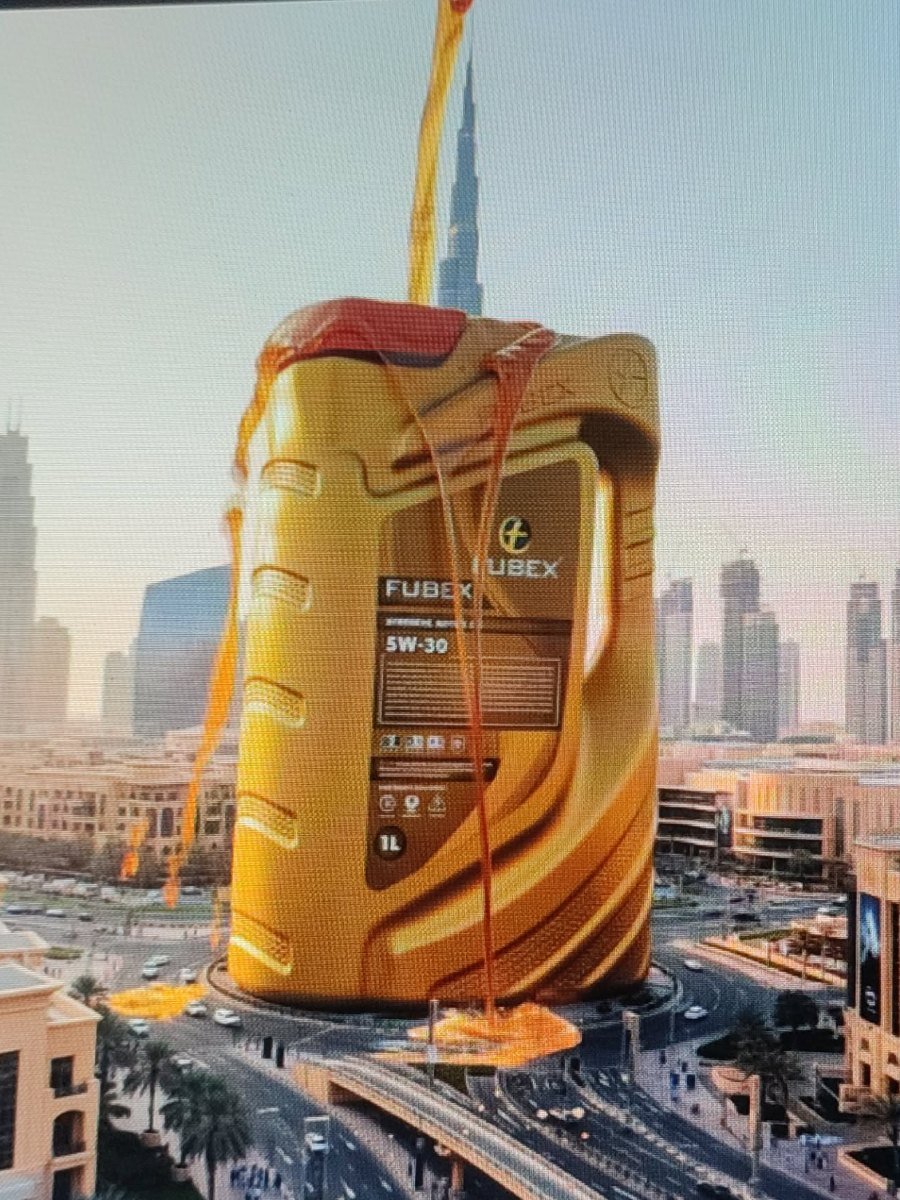
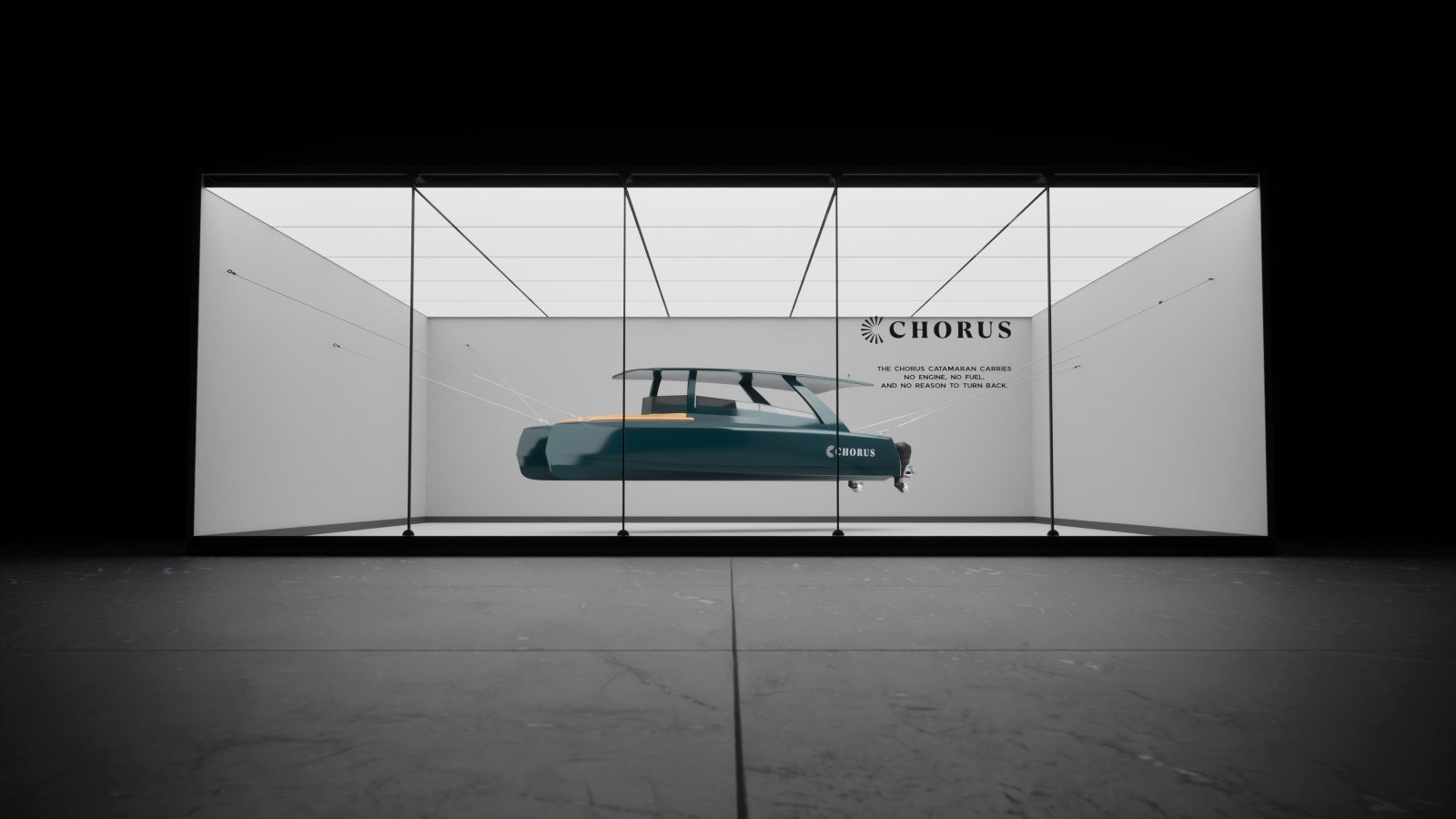
A few years ago, "cinematic" meant one thing: a director, a crew, a location, a camera package, and a budget most brands couldn't justify. Today, AI cinematic video production can deliver a comparable look in a fraction of the time and cost. That shift has left a lot of marketers asking a fair question: is traditional production still worth it? The honest answer is that it depends on the job, so let's compare them properly.
One films what already exists. The other creates whatever you can imagine, and that's the real dividing line between traditional and AI cinematic production.
The core difference
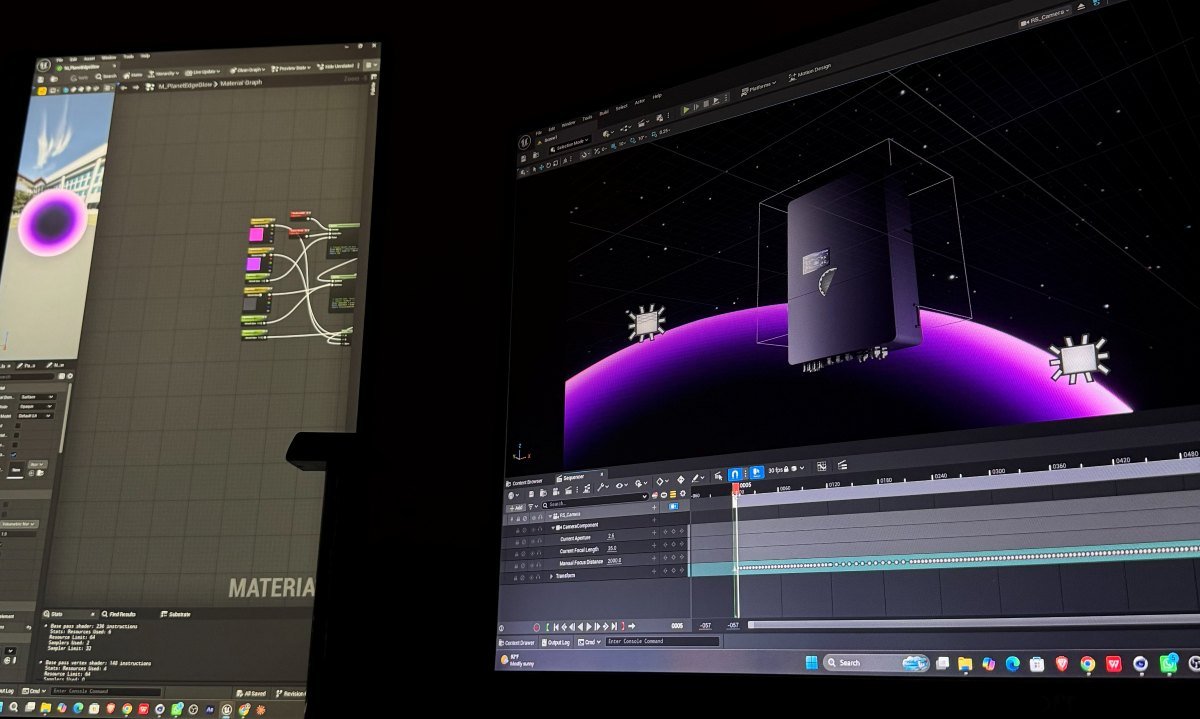
Traditional production captures reality with a camera. AI cinematic production generates footage with AI, then shapes it with the same editorial craft a post house applies: editing, color grading and sound design. One films what exists, the other creates what you can imagine. That distinction is the root of every trade-off below.
Cost: AI cinematic vs. traditional
This is the most dramatic gap. A traditional shoot carries a long list of line items before a single frame is captured.
| Cost factor | Traditional production | AI cinematic |
|---|---|---|
| Crew (director, DP, grips) | Required | None |
| Location & permits | Required | None |
| Camera & lighting gear | Rented | None |
| Cast & talent | Paid per day | Optional / generated |
| Reshoots | Full re-book | Fast regeneration |
| Typical timeline | Weeks to months | Days |
Because AI cinematic removes crew, location, gear and scheduling, it routinely costs a fraction of a comparable traditional shoot, and delivers in days, sometimes as fast as 72 hours. For fast-moving brands, startups and independent artists, that changes what's possible on a given budget.
Speed: where AI cinematic dominates
Traditional production is a logistics puzzle: aligning a crew, a location, talent and weather into a single window can take weeks before you even shoot. AI cinematic collapses that. There's no calendar to coordinate: generation, editing and grading can begin immediately. When you need a launch film this week or want to jump on a cultural moment before it passes, speed isn't a nice-to-have; it's the whole game.
Quality: it comes down to craft
Here's the nuance most comparisons miss. Raw AI output, on its own, often looks generic. That's the "AI slop" people complain about. The difference between a forgettable clip and a genuinely cinematic film is the human direction layered on top: expert prompting to get intentional footage, editing for pacing and emotion, a cinematic color grade, and sound design that makes it feel like a film. With that craft applied, AI cinematic reaches a polished, brand-ready standard. Without it, no amount of AI will save the result. Quality is a function of the team, not just the tool.
When traditional production is still worth it
AI cinematic is powerful, but it isn't the answer to everything. Choose traditional production when:
- You need a specific real person, a founder, a known ambassador, or a customer whose authentic presence matters.
- Exact product accuracy on camera is critical, where the literal, real product must be shown handling correctly.
- You want total manual control over every physical detail of a shot that only a set can provide.
In these cases, the camera still wins. The smart move isn't "AI or traditional" as a religion. It's matching the method to the goal.
The hybrid future
Increasingly, the best work blends both: a traditional shoot for the hero human moments, AI cinematic for the impossible worlds and fast variations around it. We help brands decide the right mix on our AI cinematic service page, or book a free call and we'll recommend the most cost-effective route for your specific project.
The verdict
For most brand films, ads and social content where speed and budget matter, AI cinematic video is now the more efficient choice by a wide margin, provided it's produced by a team that brings real editorial craft. For projects anchored to a specific real person or precise on-camera product handling, traditional still earns its cost. Know your goal, and the right method is usually obvious.
And remember, cinematic content is just one layer of a full funnel. Pair it with CGI/FOOH for viral reach and UGC ads to turn the attention it earns into sales.