 Hasan Khalid
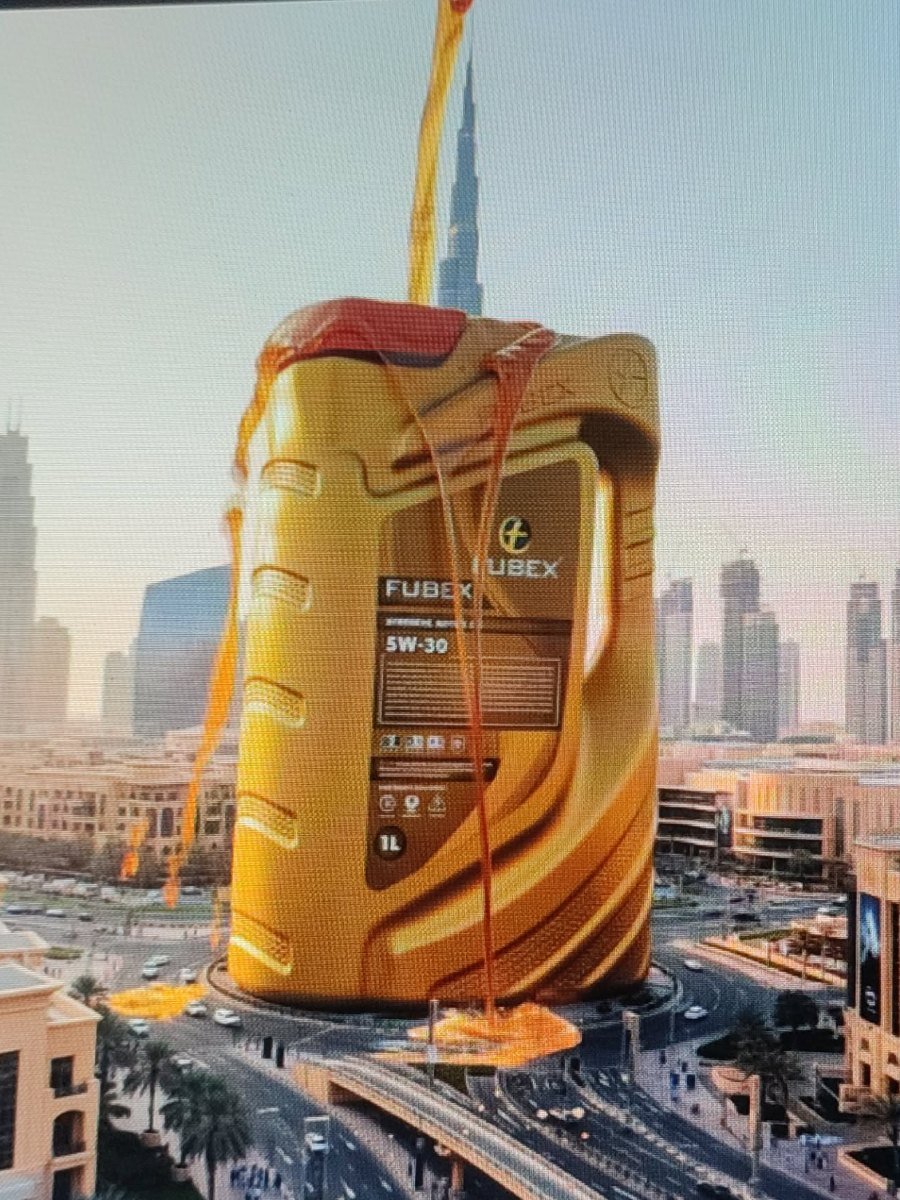
Over the last couple of years, a strange new kind of ad has taken over social feeds: a colossal perfume bottle bursting through a Paris rooftop, eyelashes riding the top of a subway train, a drink pouring itself over a skyscraper. They look like impossible real-world stunts, and almost none of them are real. This is FOOH advertising, and it has quietly become one of the most effective ways for brands to go viral. So what exactly is it?
A billboard reaches whoever walks past it. A FOOH film reaches whoever the algorithm decides to show it to, and that number compounds every time someone shares it.
What does FOOH stand for?
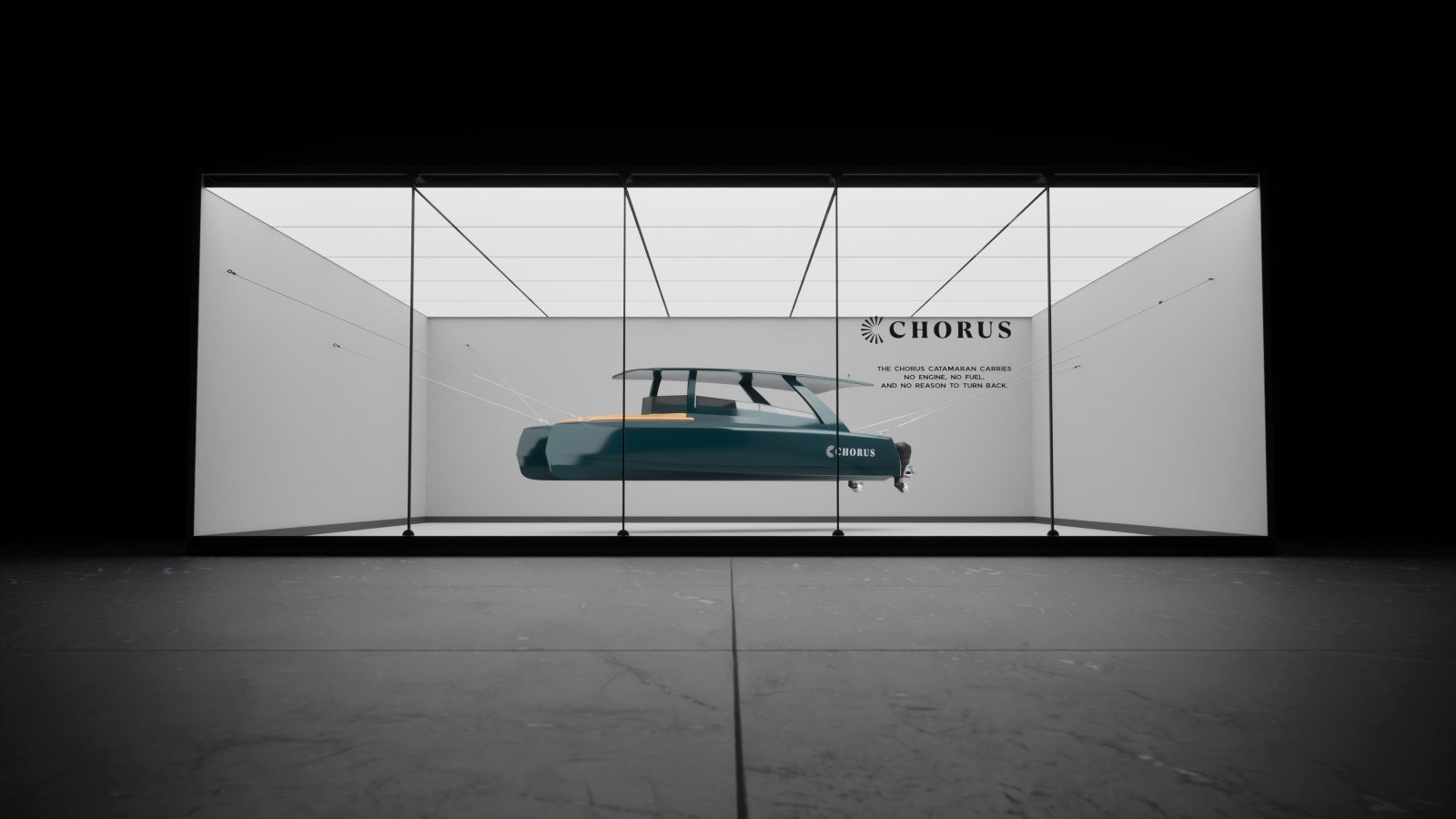
FOOH stands for fake out-of-home. It's a play on "OOH" (out-of-home), the traditional advertising category that includes billboards, bus wraps, transit posters and street installations. Where real out-of-home lives in the physical world, fake out-of-home lives entirely on your phone. It's a CGI video engineered to look like a real, jaw-dropping installation happened in a real place, when in fact nothing was ever built.
How FOOH advertising actually works
A FOOH video is built by combining real footage with photoreal CGI. The process usually looks like this:
- A real plate is filmed or sourced, a genuine street, landmark or building that grounds the stunt in reality.
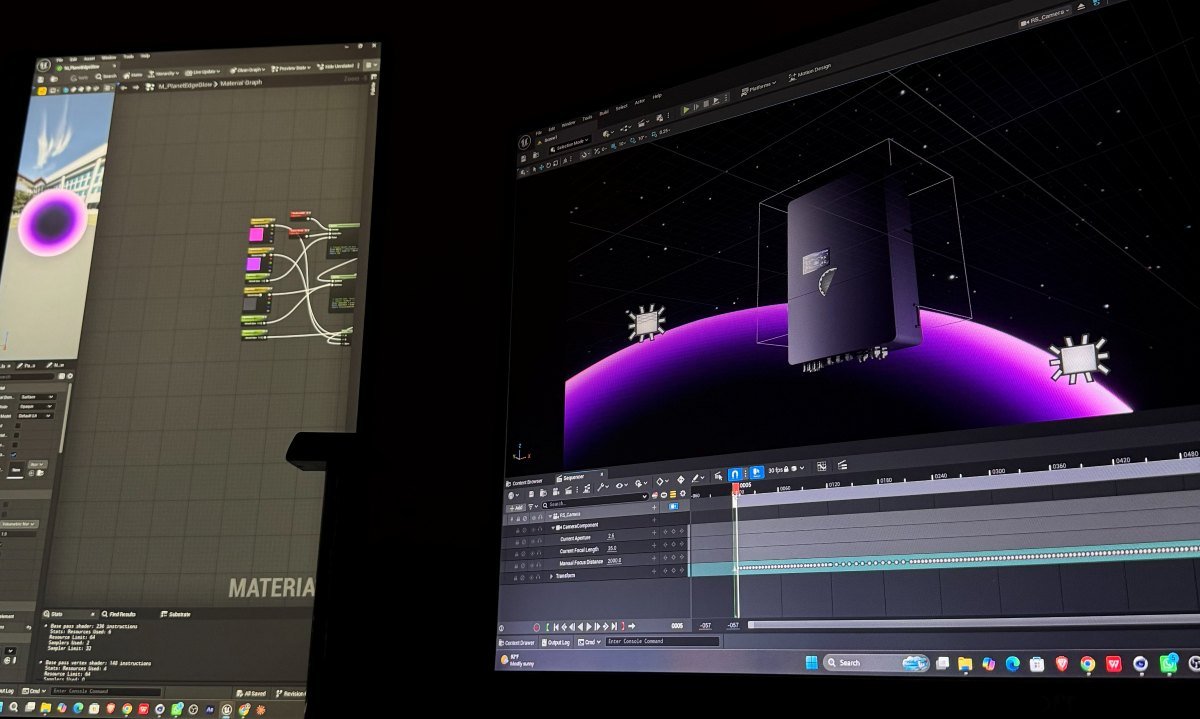
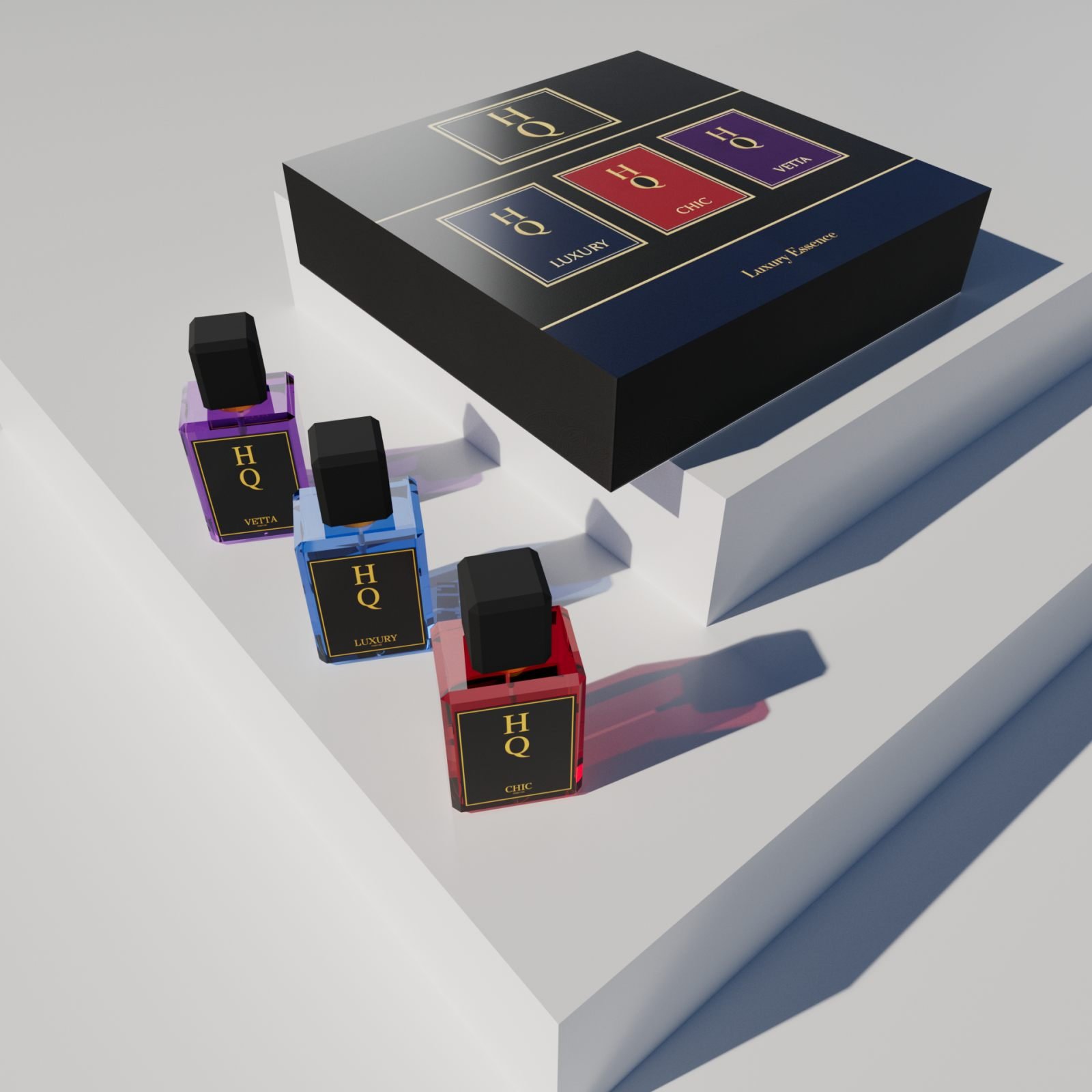
- The product or installation is built in 3D, modeled and textured to look completely believable.
- The CGI is composited into the plate, matched to the scene's lighting, shadows, reflections and camera movement so it feels physically present.
- The clip is polished for social, graded, sound-designed and cut for a scroll-stopping first two seconds.
The result is a video that triggers a double-take. Viewers can't immediately tell whether it's real, and that uncertainty is exactly what drives comments, shares and stitches: the fuel that makes content spread.
FOOH examples that went viral
The format broke into the mainstream when beauty and fashion brands started staging impossible installations on famous streets. Since then, the playbook has expanded across categories. Common FOOH examples include:
- Giant product takeovers, an oversized version of the product looming over a recognizable city.
- Products interacting with landmarks, a drink poured over a building, a shoe rolling down a boulevard.
- Transit stunts, installations riding buses, trains or billboards that appear to move.
- Launch moments, a single surreal event used to announce a new product with maximum noise.
What they all share is a simple, instantly readable idea. FOOH doesn't reward complexity. It rewards one bold visual that a viewer understands in a fraction of a second.
Why FOOH beats traditional out-of-home
The reason brands are pouring into FOOH comes down to reach and economics.
| Factor | Traditional OOH | FOOH |
|---|---|---|
| Where it lives | One physical location | The global feed |
| Reach | Local passers-by | Millions, algorithm-driven |
| Cost | $10k–$50k+ per month | A fraction, one-time |
| Speed | Weeks + permits | Days, no permits |
| Shareability | Almost none | Built to be shared |
A real billboard reaches whoever physically passes it. A FOOH clip reaches whoever the algorithm decides to show it to, and because it's designed to be shared, that number compounds. One well-made FOOH video can generate more impressions than a month of physical placements, for a tiny fraction of the spend.
How much does FOOH advertising cost?
Because there are no media buys, permits or physical builds, FOOH costs dramatically less than traditional out-of-home. The investment goes entirely into the CGI craft, so pricing scales with complexity and realism: a simple product-in-city concept costs less than an elaborate multi-shot stunt. For most brands, a single FOOH video costs a fraction of what one month of a real billboard would, while reaching far more people. If you want an exact number, the best approach is to start with one concept and see the results before scaling.
Should your brand try FOOH?
FOOH is ideal if your goal is reach, buzz and shareability: a launch, a rebrand, or simply putting your product in front of millions. It's especially powerful for DTC, beauty, fashion, food and beverage brands. We break down the full format on our CGI & FOOH service page, or you can book a free call and we'll pitch a concept built for your brand.
FOOH is one piece of the puzzle
FOOH is a phenomenal top-of-funnel weapon. It grabs attention at scale. But attention alone doesn't sell. The smartest brands pair a viral FOOH stunt with 3D product animation for polished feature reveals, AI cinematic films for brand storytelling, and UGC ads to convert all that new attention into sales. Used together, they turn a viral moment into a growth engine.