 Hasan Khalid
Every few months a new AI video tool goes viral for how convincing its output looks, and every few months brands rush to ask the same question: can we just generate our ads now? The honest answer is more useful than the hype: AI video generation is a powerful new stage in the production pipeline, not a replacement for the whole pipeline.
AI didn't replace the craft of video production. It replaced the parts of the craft that were never the point.
What AI video generation is genuinely good at right now
- Rapid concept testing. Generating five visual directions in an afternoon instead of five storyboards over a week.
- B-roll and background plates. Stylized or abstract backgrounds that don't need to survive close scrutiny.
- Short social-native clips. Quick, disposable content for testing hooks before investing in a full production.
- Voiceover and localization. AI voice generation now handles multiple languages and tones convincingly for many use cases.
- Style exploration. Previsualizing a look (color, mood, pacing) before committing budget to a full shoot or 3D build.
Where AI video still falls short for brand-critical work
- Precise product accuracy. Getting your exact product's shape, label and proportions right, frame after frame, is still unreliable with pure generation.
- Long-form consistency. Characters, objects and environments can subtly shift across a longer generated sequence.
- Fine brand control. Exact colors, logo placement and legal/compliance requirements need human oversight.
- Genuine emotional performance. For now, real human delivery still reads as more trustworthy in testimonial and UGC-style formats. See can AI UGC actually convert for the data on this specifically.
The workflow that actually works
1 Concept and direction, human-led
Strategy and creative direction stay human. AI is fastest and most useful once there's a clear brief to execute against, not as a substitute for deciding what the ad should say.
2 AI-assisted generation and iteration
Use AI tools to rapidly produce visual options, backgrounds, style tests or rough cuts. Speed here is the entire value, so treat outputs as drafts, not finals.
3 Human finishing and quality control
Professional editing, color grading, sound design and brand review happen after generation, catching the inconsistencies AI still introduces and polishing the pacing that actually holds attention.
4 Where 3D and CGI take over
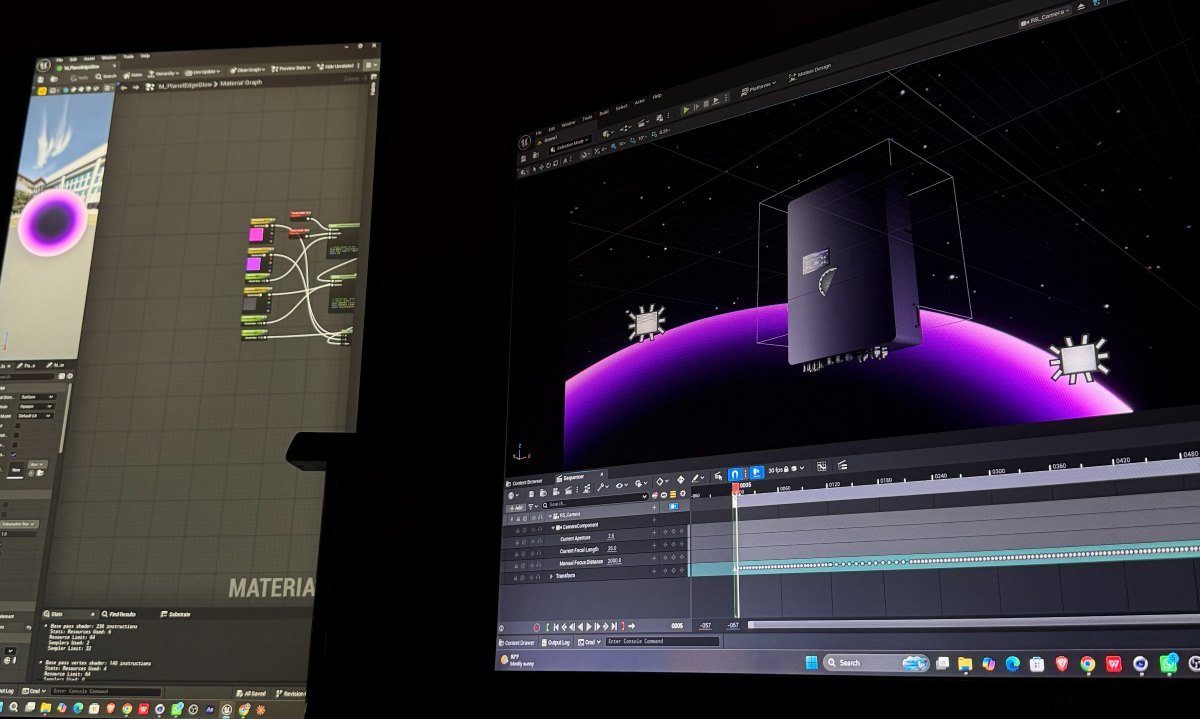
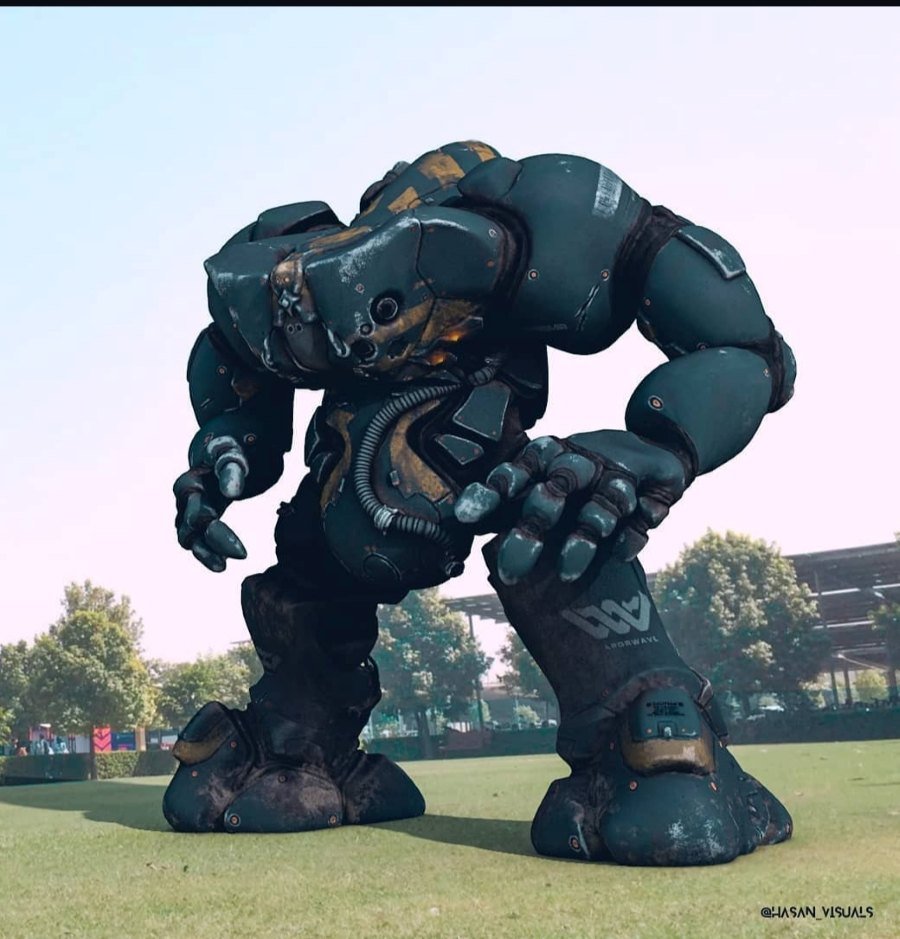
For anything requiring exact product accuracy, brands are usually better served by CGI product rendering, which gives full control over materials, lighting and consistency that generative AI can't yet guarantee.
Realistic cost expectations
Short, simple AI-generated clips can be produced at a fraction of a traditional shoot's cost, which makes AI excellent for high-volume, low-stakes content like testing ad hooks. For hero campaign content that has to represent your brand at full quality, budget for a hybrid process, AI speeds up early stages, but professional direction and finishing still carry real cost, because that's where quality actually lives.
Not sure where AI fits your production?
Book a free call and we'll map out exactly where AI can save you time and budget, and where it would cost you more in revisions than it saves.
The bottom line
AI video generation is a genuine production advantage when it's used for what it's actually good at: speed, iteration and exploration. It's not yet a reliable substitute for the direction, consistency and finishing that make an ad feel like it was made by people who understand your brand. For the fuller comparison of AI-assisted production against a traditional crew, read AI cinematic vs. traditional production.