 Hasan Khalid
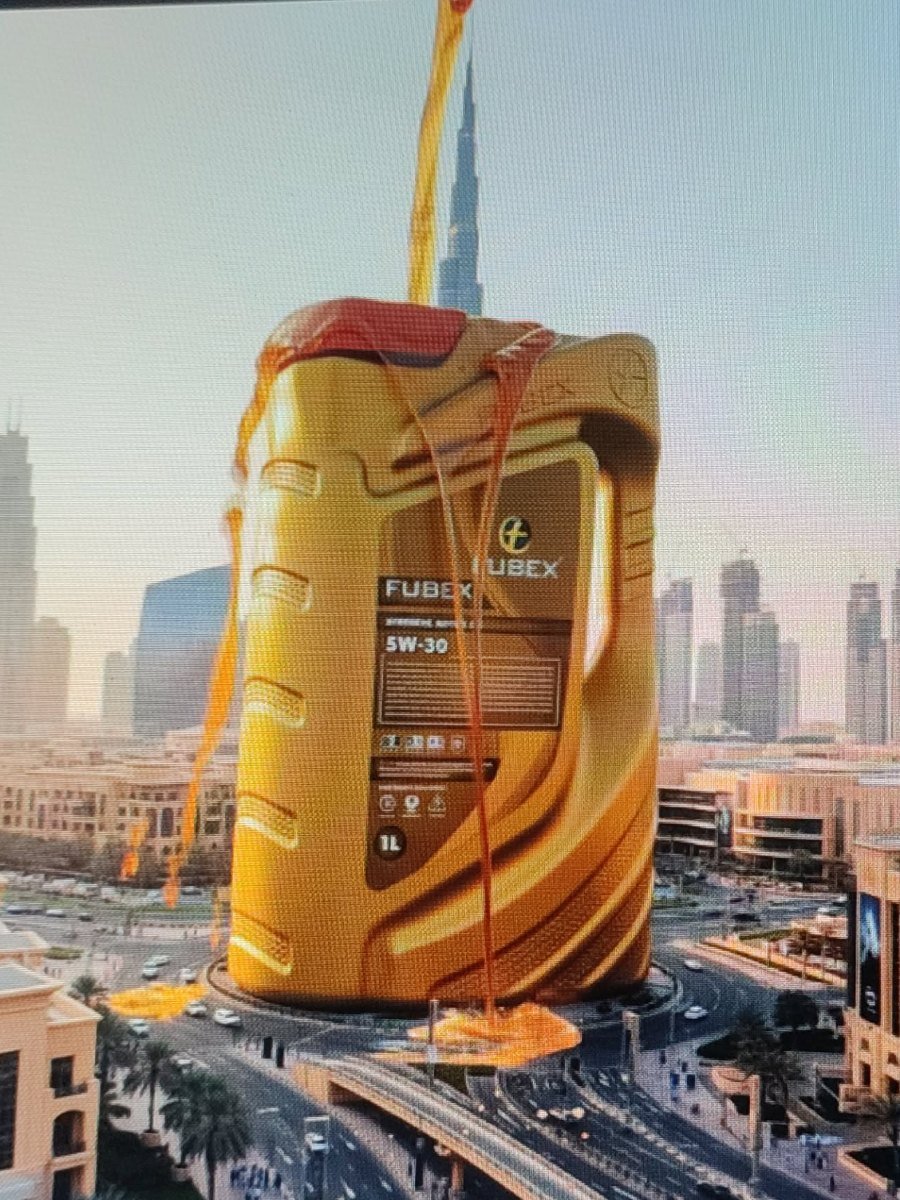
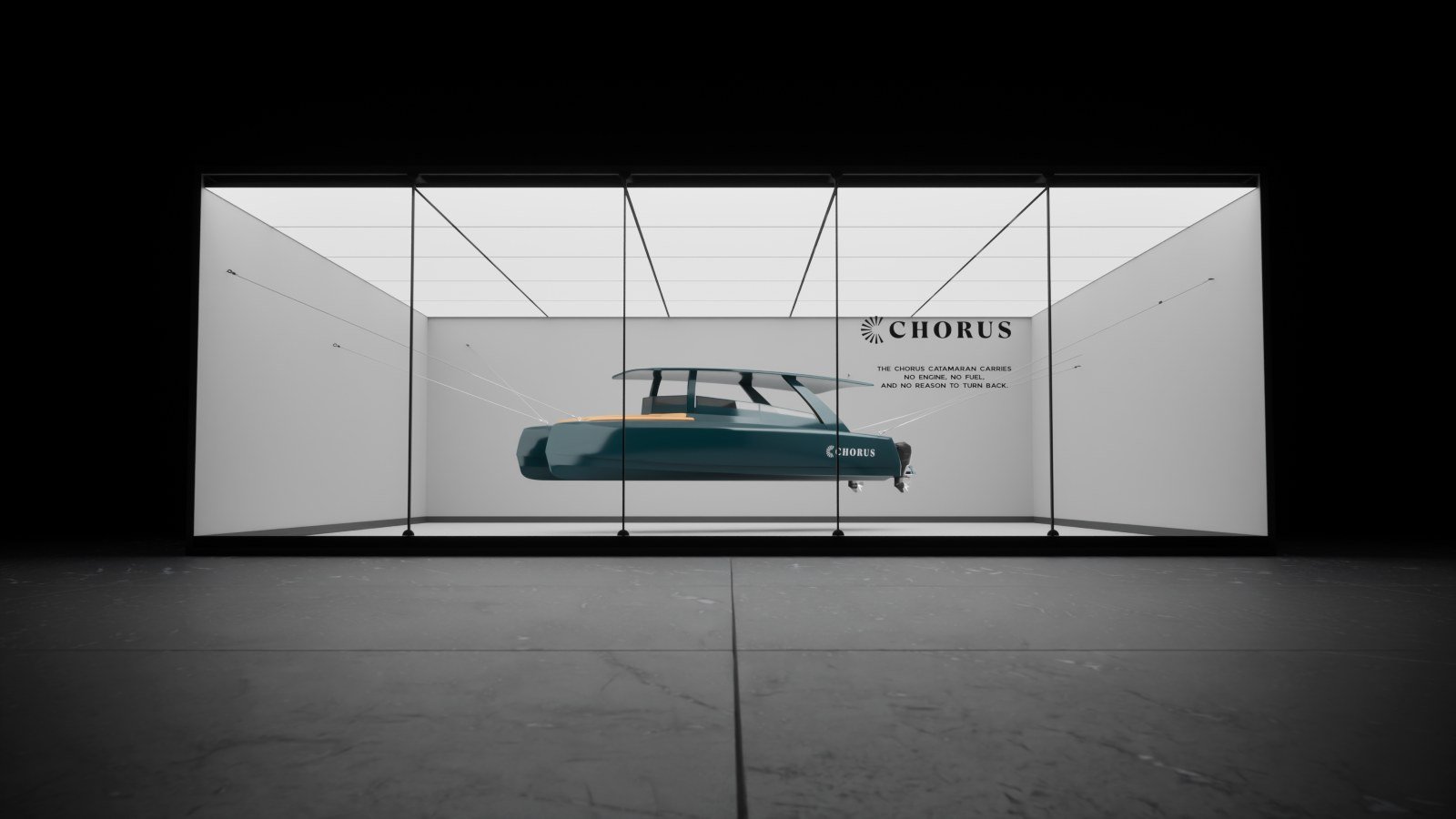
Type "CGI advertising" into Google and you'll get dictionary definitions that don't actually explain why it matters to your brand. So let's skip the jargon. CGI advertising is marketing content built with computer-generated imagery instead of, or alongside, a physical camera. That covers a wider range than most people assume: a perfume bottle that never existed in real life, a car commercial shot entirely inside a computer, a "giant product" stunt composited onto a real city street, or subtle VFX cleanup layered into an otherwise normal live-action ad.
CGI isn't a visual effect you add at the end. It's a production method that replaces the camera entirely, and that changes what's actually possible in an ad.
How CGI advertising actually works
Every CGI project, regardless of size, moves through the same core pipeline. Understanding it makes briefing a studio (and evaluating quotes) far easier.
1 Reference and concept
Before anything is built, the team collects real photos, dimensions, material samples and brand references. The goal is a render nobody can distinguish from a photograph, and that starts with accurate source material, not guesswork.
2 Modelling
The product (or environment) is built as a 3D object, vertex by vertex, matching real-world proportions. This is the single most time-consuming stage on complex products.
3 Texturing and materials
Surfaces are given real-world properties, glass that refracts, metal that reflects, liquid that moves with correct viscosity. This is what separates a convincing CGI render from something that reads as "obviously fake."
4 Lighting and camera
A virtual lighting rig is built exactly like a photography studio would be, softboxes, rim lights, reflectors, except every light can be repositioned instantly and re-used forever.
5 Rendering
The scene is calculated frame by frame into the final image or video. This is where render engines like Redshift or Octane trace how light actually behaves, which is why high-end CGI takes real computing time to produce.
6 Compositing and grade
The final render is composited into any background (a real photo, a filmed plate, or a fully CGI environment) and color-graded to match the rest of your brand's content.
The main types of CGI advertising
- 3D product animation. A studio-quality product film built entirely in 3D, used for hero content, product launches and paid ads.
- FOOH (fake out-of-home). A CGI stunt composited into real city footage, designed to look like a physical billboard or installation that never existed.
- CGI commercials. Full ads built in 3D from the ground up, used when a concept is physically impossible or too expensive to film for real.
- VFX-enhanced live-action. Real footage with CGI elements added: a product swap, an environment extension, a digital effect layered on top of a real shoot.
CGI advertising vs. live-action: the real comparison
| Factor | CGI advertising | Live-action |
|---|---|---|
| Reusability | Asset reused indefinitely | New shoot needed each time |
| Creative limits | Anything imaginable | Bound by physics and location |
| Revision flexibility | High, adjust lighting/angle | Low, often needs a reshoot |
| Best for | Product hero shots, impossible concepts | Human emotion, real environments |
Most serious brands don't pick one over the other, they combine them. A CGI product film for the hero shot, a live UGC layer for authenticity, and a FOOH stunt for reach. See how these fit together in our guide to AI cinematic vs. traditional production.
Not sure if CGI fits your product?
Some products render beautifully in CGI (bottles, electronics, packaging). Others need a hybrid approach. Talk to us on a free strategy call and we'll tell you honestly which route fits your brand and budget.
Who should use CGI advertising
CGI advertising earns its cost fastest for brands that need consistency at scale: the same hero product shown in ten markets, twenty ad variants, or across a year of seasonal campaigns. It's also the only realistic option for concepts that can't physically be filmed, a car floating over an ocean, a bottle the size of a building, a product interior no camera could reach.
The bottom line
CGI advertising isn't a gimmick, it's a production method, and increasingly the default one for product-led brands. If you want to see exactly what it costs to build your product in 3D, our CGI commercial cost breakdown and 3D animation pricing guide walk through every variable.