 Hasan Khalid
Ask five studios "how much does a CGI commercial cost" and you'll get five different ranges. That's not evasiveness, it's because "CGI commercial" describes projects that can differ in cost by an order of magnitude depending on a handful of specific decisions. This guide breaks those decisions down so any quote you receive actually makes sense.
A CGI commercial isn't priced by length alone. It's priced by how much has to be built, lit and simulated before a single frame renders.
What drives CGI commercial pricing
1 Runtime and shot count
Every additional shot needs its own composition, lighting pass and animation. A single 10-second hero shot is fundamentally cheaper than a 60-second commercial with eight scene transitions.
2 Realism target
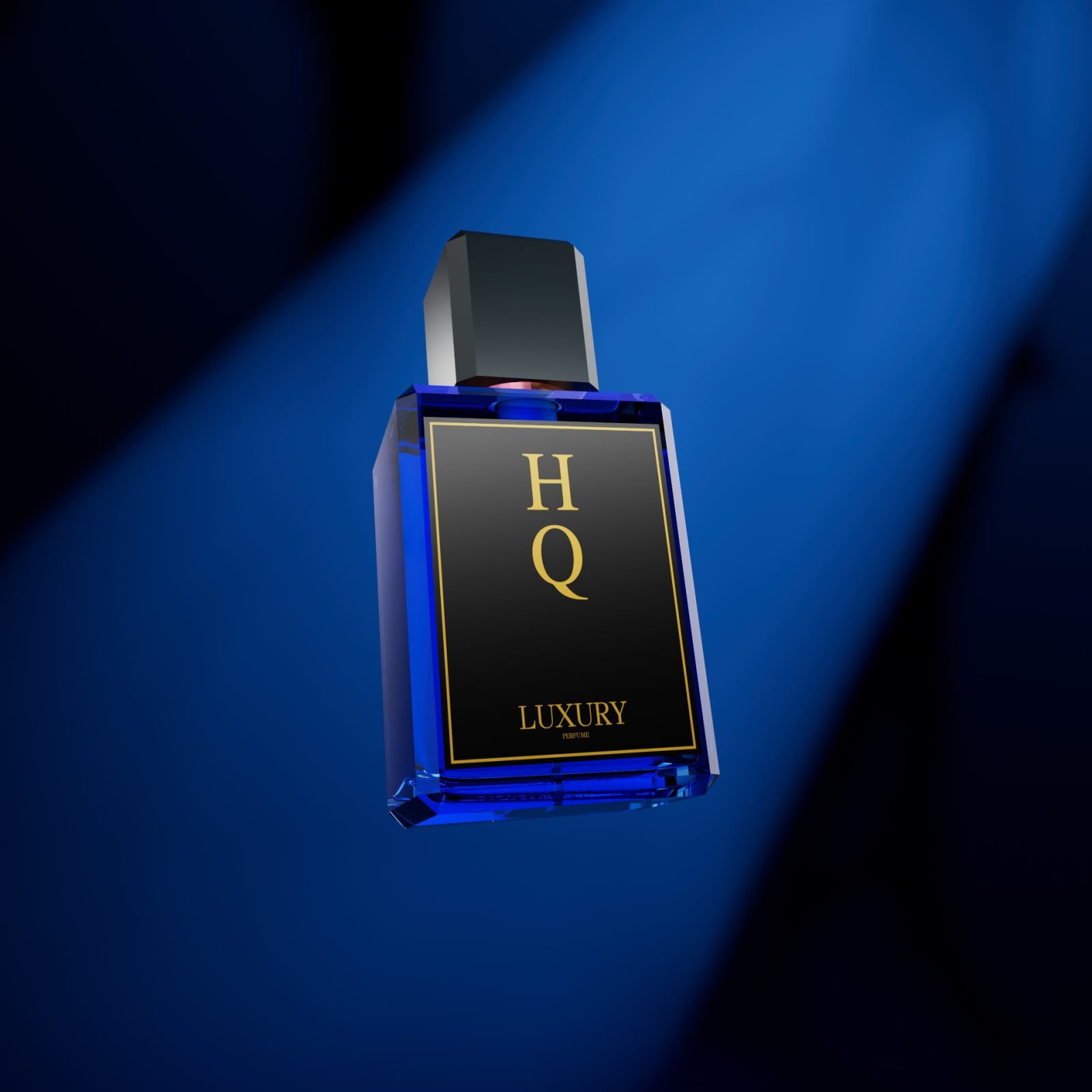
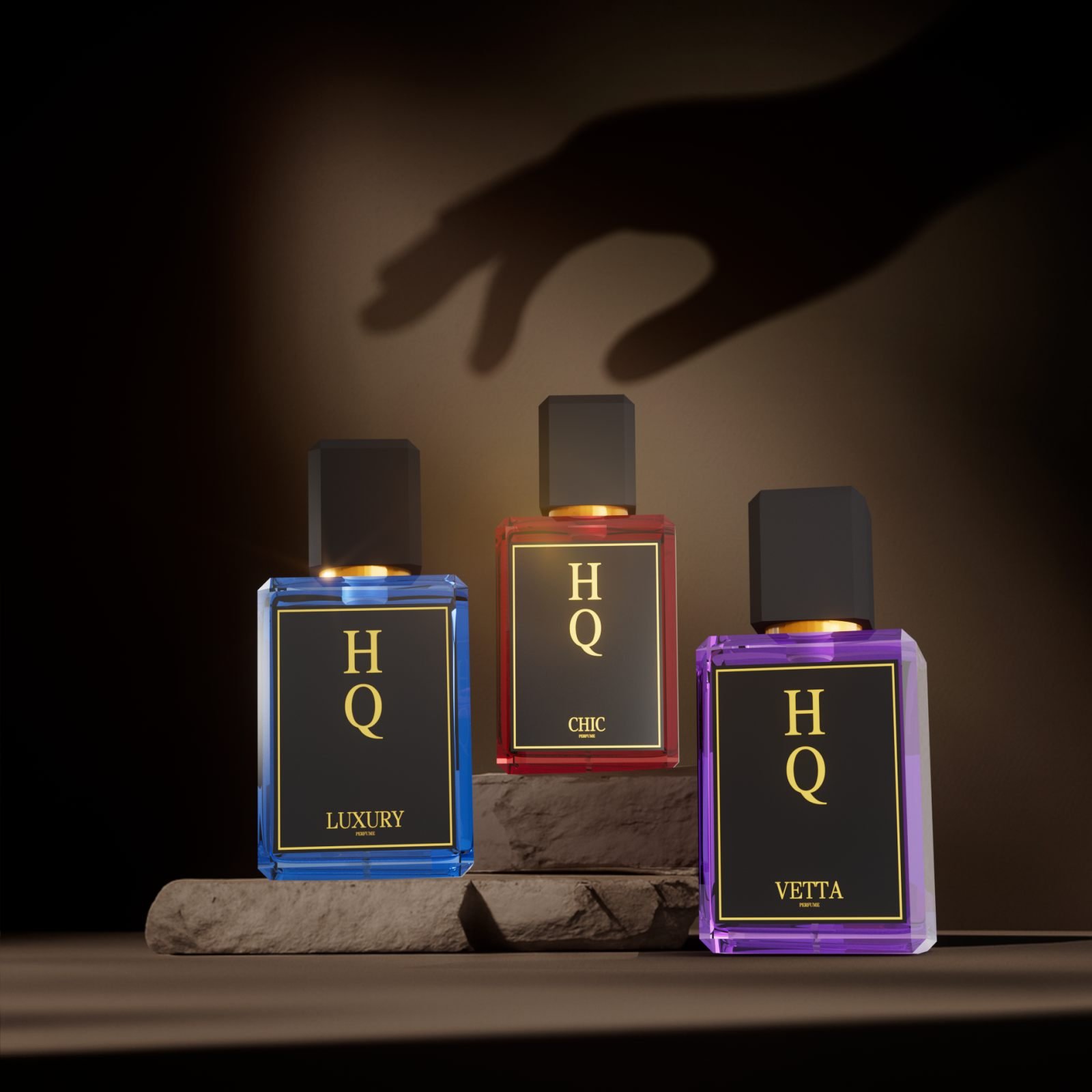
Stylized CGI (think brand-safe, slightly graphic, not trying to fool the eye) renders faster and costs less than photorealism, where every material has to behave exactly like its real-world counterpart under studio lighting.
3 Environment complexity
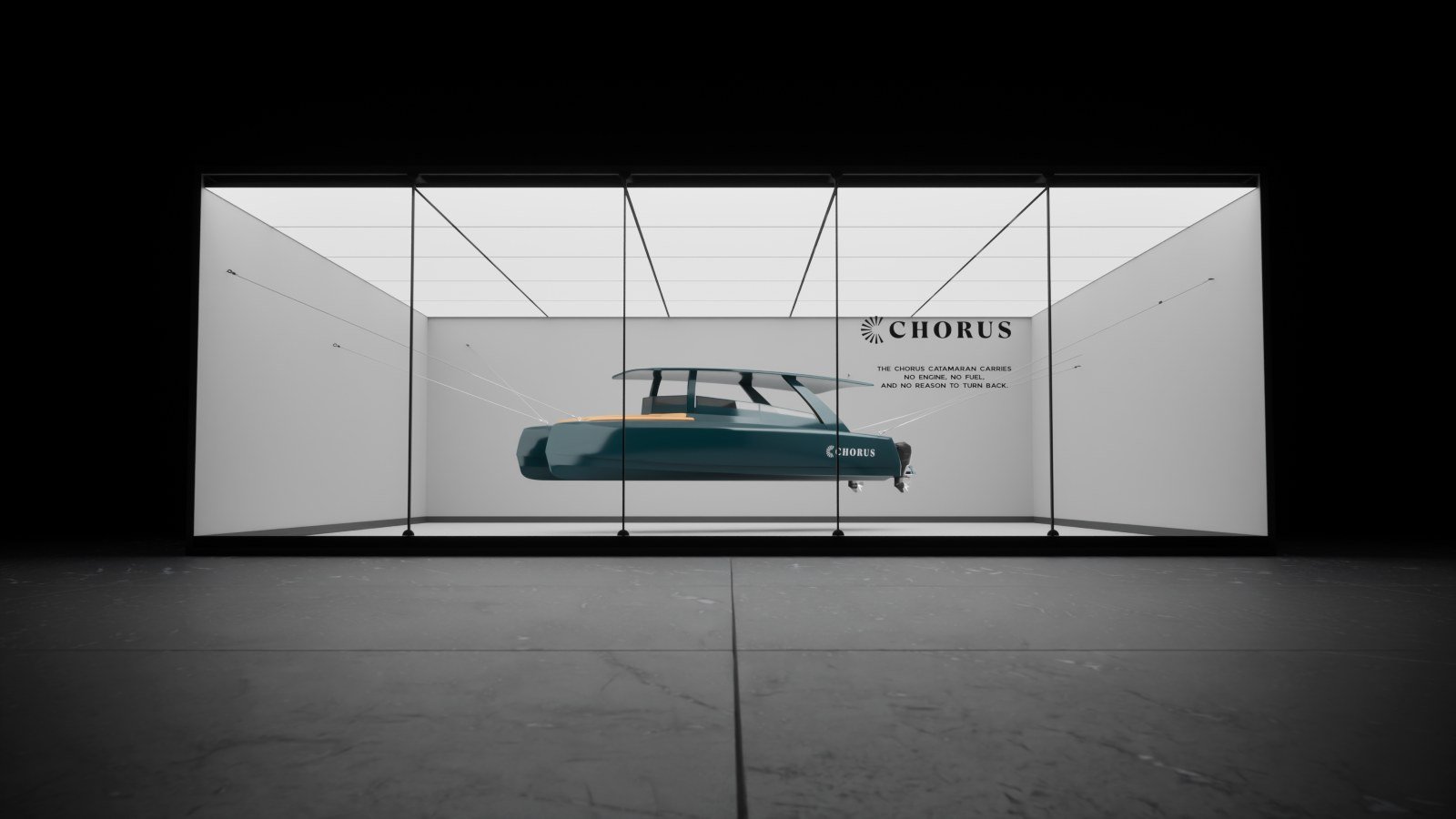
A product on a clean studio backdrop is far cheaper than a full CGI environment, a city street, a landscape, an interior, all of which need their own modelling and lighting work.
4 Simulations
Liquid pours, fabric movement, particle effects, shattering glass, these are computationally expensive and require specialist simulation work. They look incredible and they carry a premium.
5 Turnaround
Standard timelines let render farms and artist schedules work efficiently. Rush jobs compress that into fewer days, which usually means more resources running in parallel, at a higher cost.
Typical CGI commercial cost tiers
| Commercial type | Typical scope | Relative cost |
|---|---|---|
| Single hero shot / product spin | 1 shot, studio backdrop | Entry level |
| Short social commercial (10–20s) | 2–4 shots, clean environment | Low–mid |
| Full campaign film (30–60s) | Multi-shot, photoreal, environment | Mid–high |
| FOOH-style hero commercial | Photoreal + simulations + real-world compositing | Premium |
How to avoid overpaying
- Start with a Pilot. A single shot or short clip proves quality and working style before you commit to a full campaign budget.
- Bring real references. Product photos, CAD files and clear brand direction cut down the guesswork that inflates timelines.
- Separate "must-have" from "nice-to-have" effects. A liquid simulation might not be worth the premium if the hook of your ad lives in the first two seconds anyway.
- Plan for reuse. A commercial built with a reusable 3D asset behind it means your next campaign starts cheaper, not from zero.
Want an exact number for your commercial?
The only accurate quote comes from your specific concept. Book a free call and we'll price it transparently, including whether a Pilot makes sense first.
The bottom line
There's no single price tag for a "CGI commercial" because there's no single kind of CGI commercial. Once you understand the five real cost drivers, runtime, realism, environment, simulations and turnaround, you can shape a brief that fits your budget without surprises. For the same breakdown applied to shorter product animation specifically, see our 3D animation cost guide, and if you're weighing CGI against a real shoot, read 3D vs. photography first.