 Hasan Khalid
Brands often come to us with the outcome already in mind, "we want something that goes viral like [example]", without realizing that the viral moment is the last step in a fairly disciplined process. Here's exactly how a FOOH campaign gets built, stage by stage.
A FOOH ad looks spontaneous. It never is. Every believable detail was planned before a single frame was rendered.
The 6 stages of building a FOOH campaign
1 Concept and hook
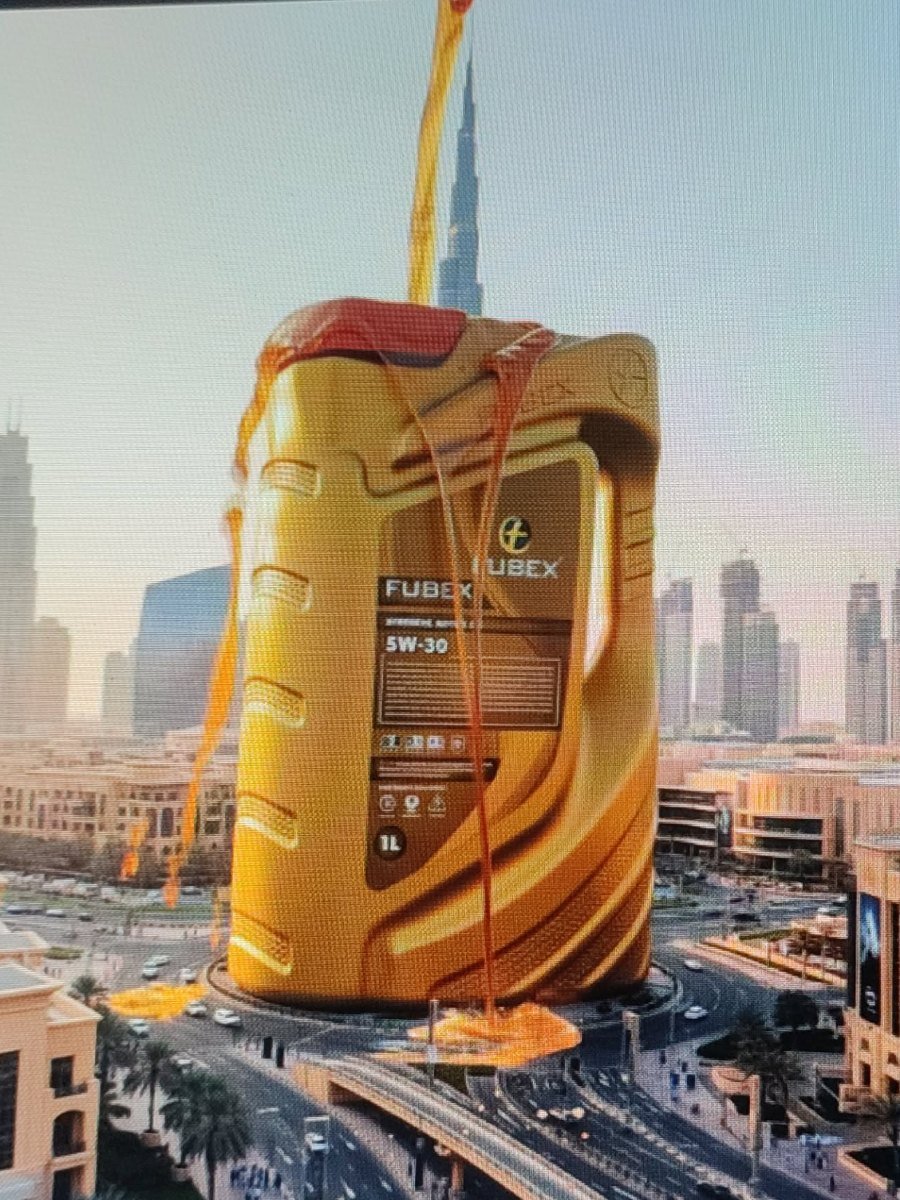
Before any 3D work starts, lock a single, simple physical action: your product pouring, unfolding, crashing, growing, at an impossible scale in a recognizable place. If you can't describe the concept in one sentence, it's not ready yet. See our breakdown of the creative patterns behind viral FOOH ads for reference.
2 Location and plate selection
Decide whether the ad uses a real filmed location plate, stock city footage, or a fully CGI environment. Real plates add authenticity; CGI environments add total creative control.
3 3D modelling of the hero product
The product is built as an accurate 3D asset from reference photos and, ideally, real dimensions or CAD files. This is the same foundational step as any 3D animation project.
4 Lighting matched to the plate
For the illusion to hold, the CGI product's lighting, shadow direction and color temperature have to match the real footage exactly. This is the single most technically demanding stage, and the one that separates a convincing FOOH ad from an obviously fake one.
5 Animation and simulation
The core action, the pour, the crash, the reveal, is animated with physically believable motion. Any liquid, particle or cloth simulation happens at this stage.
6 Compositing, sound and grade
The CGI element is composited into the plate, ambient city sound and crowd reactions are layered in, and the final grade unifies the color across real and CGI elements so nothing looks pasted on.
What you'll need to provide as the brand
- Clear product references. High-resolution photos from multiple angles, and CAD files if available.
- Brand and campaign goals. What the ad needs to communicate beyond "look at this."
- Location preference (if any). A specific city or landmark, or full creative freedom.
- Distribution plan. Which platforms it launches on shapes aspect ratio, runtime and pacing decisions early.
Timeline expectations
A single FOOH ad typically moves through concept approval, modelling, lighting, animation and compositing across a few weeks. Complex simulations or fully custom CGI environments extend that. Rushing any single stage, especially lighting, is where quality gets sacrificed first.
Have a concept in mind already?
Book a free strategy call and bring your idea. We'll tell you honestly if it has the "wait, is this real?" quality that makes FOOH work, and price it transparently.
The bottom line
A great FOOH campaign is a disciplined production process wearing a spontaneous costume. Nail the concept, match the lighting, and keep the action simple, and the spectacle takes care of itself. For real examples of this pattern in action, see our FOOH advertising examples breakdown, and for the format basics, start with what is FOOH advertising.