 Hasan Khalid
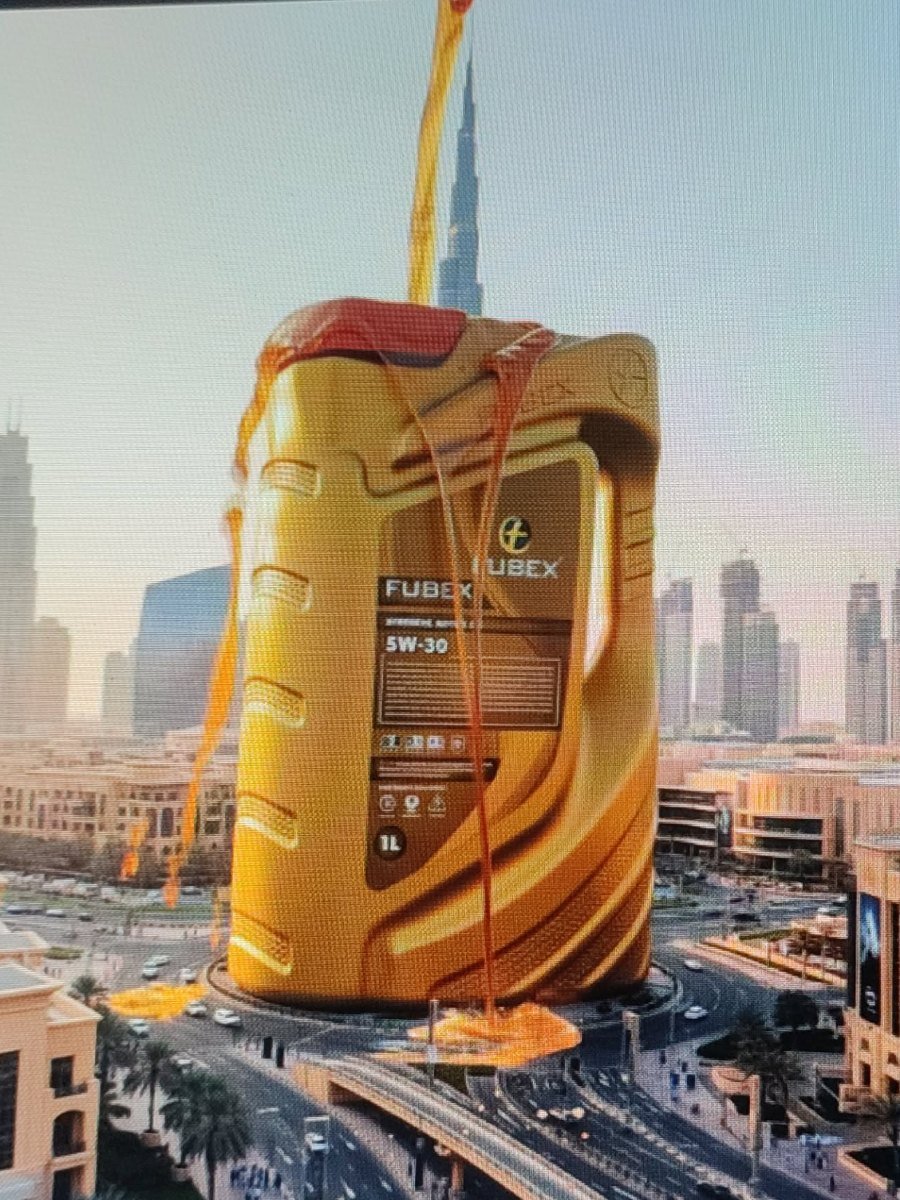
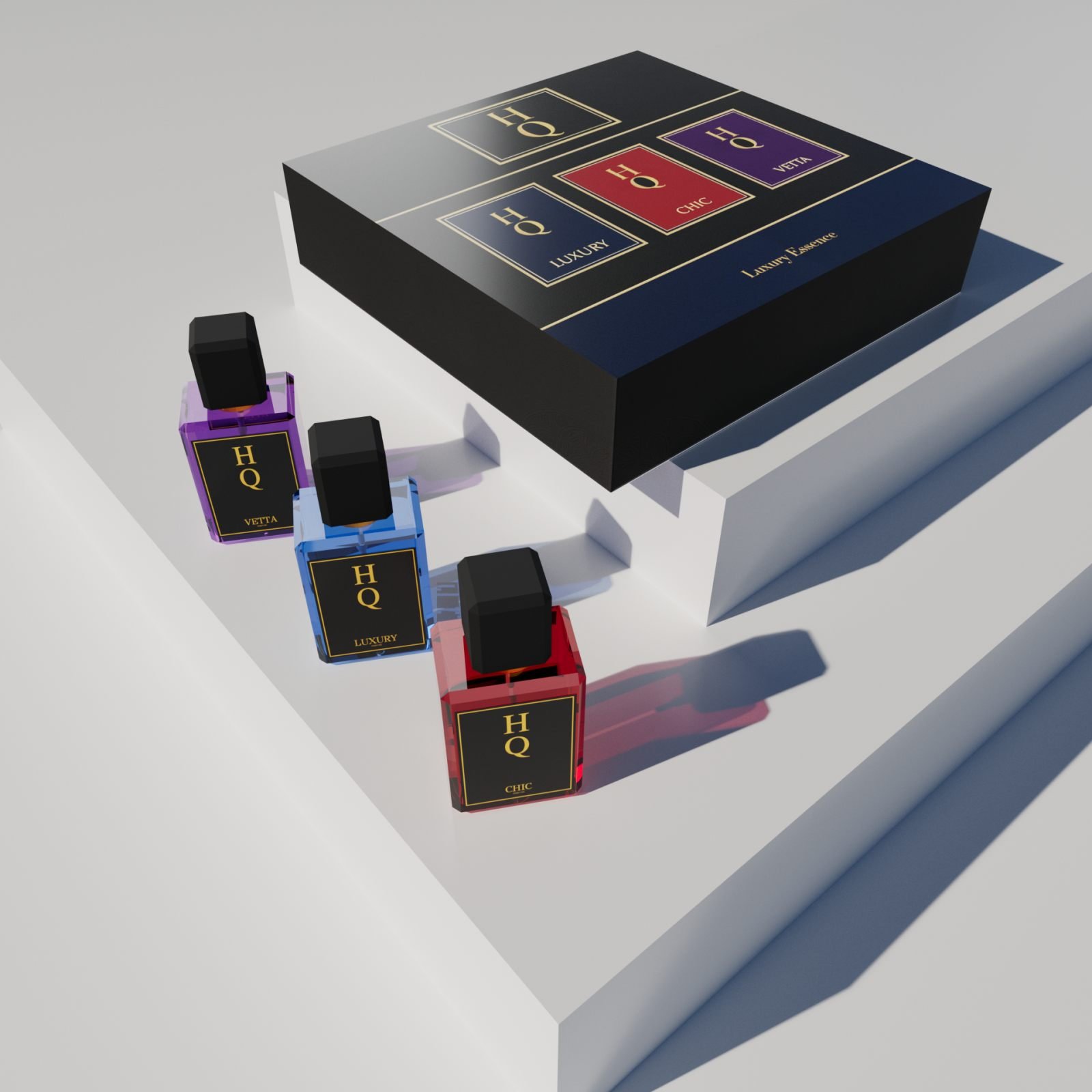
Scroll far enough on Instagram or TikTok and you'll hit one: a perfume bottle the size of a skyscraper, a sneaker crashing through a building, a drink pouring across an entire city block. These are FOOH ads, fake out-of-home, and the best ones rack up tens of millions of views. The forgettable ones disappear in a day. The difference isn't render quality. It's the concept underneath it.
A technically flawless FOOH render with a boring idea gets scrolled past. A rough concept with the right hook gets shared. Idea first, polish second.
The creative pattern behind every viral FOOH ad
1 A believable "wait, is this real?" moment
The best FOOH concepts don't announce themselves as CGI. The first two seconds have to look plausible enough that a viewer's brain briefly accepts it, before scale or physics breaks the illusion. That brief confusion is what makes people stop scrolling.
2 Familiar landmarks, unfamiliar scale
Placing an oversized product against a skyline everyone recognizes does more work than an anonymous street. The contrast between "a place I know" and "something that couldn't be there" is the entire joke.
3 A single, simple action
Liquid pouring, a lid popping, a product unfolding, the strongest FOOH ads center on one clear physical action, not a complicated multi-beat story. Simplicity reads instantly on a silent, scrolling feed.
4 Real crowd reactions (real or implied)
Pedestrians filming on their phones, people stopping to look up, this sells the "this actually happened" framing even when every viewer knows, deep down, that it didn't.
5 A tight, loopable runtime
Most viral FOOH content runs 8 to 15 seconds. Long enough to land the concept, short enough to loop and get replayed, which platforms reward with more distribution.
Why brands keep investing in FOOH
- Reach without media spend. A strong FOOH concept earns organic shares that a paid billboard never could.
- No physical constraints. No permits, no construction, no location fees, no weather risk.
- The asset is reusable. The same 3D build can be re-cut for multiple platforms, formats and follow-up content.
- It photographs the brand as premium. Scale and spectacle read as confidence, even for smaller brands.
Common mistakes that kill a FOOH concept
- Overcomplicating the idea. Trying to fit a full brand story into 10 seconds instead of one clean visual hook.
- Skipping the compositing details. Mismatched lighting or shadow direction breaks the illusion instantly, and undermines the whole point.
- Ignoring platform-native sound design. Ambient city sound and crowd reaction audio sell the realism as much as the visuals do.
- Choosing scale for its own sake. Bigger isn't automatically better; the scale has to serve the joke, not replace it.
Have a product that could work as FOOH?
Not every product needs a giant version of itself. Talk to us and we'll tell you honestly if a FOOH concept fits your brand, or if a different format would perform better.
The bottom line
FOOH advertising isn't about render budget, it's about finding the one simple, impossible moment that makes someone stop and question what they're looking at. If you're ready to plan one for your brand, our step-by-step guide to creating a FOOH campaign walks through the full process from concept to launch, and our FOOH advertising primer covers the format from the ground up.